
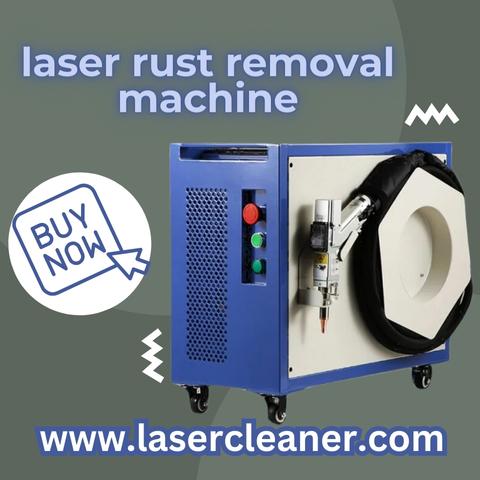
Rust can damage metal surfaces, affect equipment performance, and reduce the lifespan of valuable machinery. Traditional cleaning methods often require chemicals, abrasive materials, or considerable manual effort. Modern laser technology offers a more precise and convenient approach to handling rust and surface contamination. A laser rust removal machine is designed to remove unwanted rust from metal surfaces using concentrated laser energy, making it a practical solution for various industrial and commercial applications.
How Does Laser Rust Removal Work?
Laser rust removal works by directing a controlled laser beam toward a rusty metal surface. The laser energy interacts with the rust layer, causing the unwanted material to separate from the underlying surface. This process is commonly known as laser ablation.
The machine allows operators to adjust different settings, including laser power, scanning speed, and frequency, depending on the material and thickness of the rust. These adjustments help achieve consistent cleaning results while minimizing unnecessary impact on the base metal.
Before starting a cleaning operation, it is important to select suitable settings and test the process on a small area. Proper adjustment helps prevent surface damage and ensures effective rust removal.
Industrial Applications of Laser Rust Cleaning
Laser cleaning technology is becoming increasingly popular across industries that regularly work with metal components. Manufacturing facilities, automotive workshops, construction companies, and metal fabrication businesses can use this technology for different cleaning requirements.
Common applications include:
-
Automotive Industry: Removing rust from vehicle frames, metal components, and restoration parts.
-
Manufacturing: Cleaning metal surfaces before welding, painting, or other production processes.
-
Shipbuilding: Removing rust and surface contamination from metal structures and equipment.
-
Construction: Cleaning steel beams, metal frameworks, and industrial components.
-
Metal Restoration: Preparing old metal tools, machinery, and decorative objects for restoration.
Its ability to handle different cleaning tasks makes laser technology a valuable option for businesses seeking modern surface preparation solutions.
Choosing the Right Equipment for Your Business
Selecting suitable laser cleaning equipment requires careful consideration of your working environment and cleaning requirements. Different machines are available with varying power levels, configurations, and operating capabilities.
For smaller workshops, portable equipment may provide greater flexibility when cleaning different components. Industrial facilities with larger cleaning requirements may prefer higher-powered systems designed for demanding operations.
When comparing machines, consider laser power, cooling systems, scanning options, operating controls, and manufacturer support. It is also important to check whether the equipment is suitable for the metals and applications involved in your daily operations.
A reliable laser rust removal machine should match your production requirements while providing stable performance and convenient operation.
Safety Considerations During Operation
Laser cleaning requires appropriate safety precautions because high-powered laser beams can cause serious eye and skin injuries. Operators should receive proper training before using the equipment.
Always follow the manufacturer's operating instructions and use suitable laser safety eyewear rated for the machine's wavelength. Establish a controlled working area, prevent unauthorized access, and use appropriate extraction systems to manage fumes and airborne particles generated during cleaning.
Regular inspection and maintenance also help keep the equipment operating properly. Following established safety procedures creates a more controlled working environment.
Why Businesses Are Adopting Laser Cleaning Technology
Industries are continuously searching for more efficient ways to maintain equipment and prepare metal surfaces. Laser cleaning provides an alternative to several conventional cleaning processes by using focused energy rather than relying entirely on abrasive materials or chemical treatments.
Businesses can use this technology for routine maintenance, restoration projects, and surface preparation. Its adjustable cleaning parameters also allow operators to work with different materials and cleaning conditions.
As industrial technology continues to develop, the demand for modern metal cleaning solutions is expected to create further opportunities for laser equipment manufacturers and industrial service providers.
Final Thoughts
Modern laser technology is changing how industries approach rust removal and metal surface preparation. From automotive restoration to large-scale manufacturing, laser cleaning equipment offers a practical method for handling different surface cleaning requirements. Choosing the right laser rust removal machine involves understanding your applications, material requirements, power needs, and workplace safety standards. With suitable equipment and trained operators, businesses can introduce a more controlled and efficient cleaning process into their operations.


