
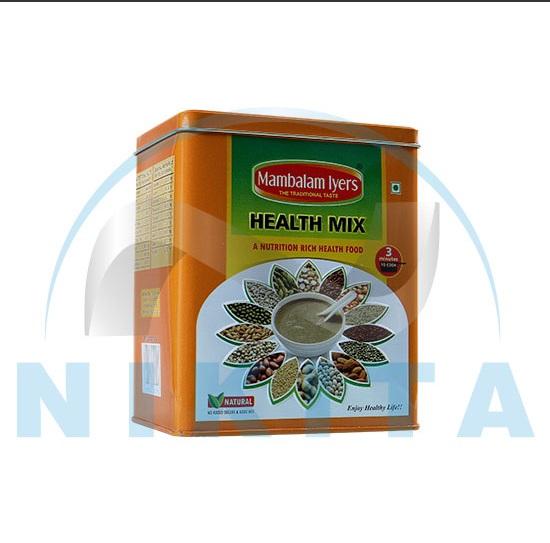

Tin Containers for Food Packaging play an important role in protecting food products, maintaining quality and building consumer confidence. As food brands expand into competitive retail markets and global supply chains, packaging must do more than simply hold a product. It needs to protect contents against unauthorised access, handling damage and external contamination while maintaining freshness and presentation.
For food manufacturers, packaging distributors and FMCG businesses, tamper-evident and pilfer-resistant features have become important considerations. From premium confectionery and dry fruits to spices, tea and packaged snacks, secure metal packaging can help brands protect their products and deliver a more dependable customer experience.
Understanding Tamper-Evident and Pilfer-Resistant Packaging
Although often used together, tamper-evident and pilfer-resistant packaging serve slightly different purposes.
Tamper-evident packaging is designed to show visible signs if someone has opened, interfered with or accessed a product before it reaches the consumer. Pilfer-resistant packaging, on the other hand, focuses on discouraging unauthorised removal of products or their contents during storage, transportation and retail handling.
Tin plate containers can incorporate several design features that support these requirements. Secure-fitting lids, protective closures, internal seals and specially designed opening mechanisms can help improve packaging security.
The right combination depends on the food product, distribution environment and level of protection required.
Why Food Brands Need Better Packaging Security
Food products pass through several stages before reaching consumers. They may be handled by manufacturers, warehouse operators, distributors, transport companies and retail staff.
During this journey, inadequate packaging can increase the risk of accidental opening, product interference and contamination. Even when the food itself remains safe, damaged or suspicious packaging can affect consumer confidence.
Reliable food packaging helps address these concerns by offering:
-
Greater product protection: Secure closures help reduce the risk of unintended opening during transportation and storage.
-
Improved consumer confidence: Visible evidence of interference helps customers make informed purchasing decisions.
-
Reduced product loss: Pilfer-resistant designs can discourage unauthorised access to packaged products.
-
Better hygiene: Properly designed closures and compatible internal seals help protect food from external contaminants.
-
Brand reputation protection: Consistent packaging quality helps maintain customer trust across retail and distribution channels.
For businesses handling premium or high-value food products, these advantages can make a meaningful difference.
How Tin Containers Improve Food Packaging Security
1. Strong Metal Construction for Reliable Protection
One of the main advantages of tin plate packaging is its strength and structural durability. Compared with many lightweight packaging alternatives, properly designed metal containers can withstand everyday handling and help protect products from crushing and physical damage.
This makes them suitable for food brands that require dependable packaging throughout storage, distribution and retail display.
2. Secure Lids and Specialised Closure Designs
The closure is an important part of any secure food container. A well-designed lid helps maintain a reliable fit while reducing the chances of accidental opening.
Depending on the application, manufacturers can incorporate friction-fit lids, hinged closures, plug-in lids or additional sealing components.
When combined with suitable tamper-evident features, these designs can provide an additional layer of reassurance for businesses and consumers.
3. Protection Against External Contamination
Food quality can be affected by exposure to moisture, oxygen, light and environmental contaminants. Tin plate containers offer an effective barrier against light and provide a robust enclosure for food products.
When appropriate food-contact coatings, compatible liners and properly engineered closures are used, they can also help maintain product quality and reduce exposure to external contamination.
4. Better Protection During Transportation and Storage
Long-distance transportation creates several packaging challenges. Containers may experience vibration, stacking pressure and repeated handling.
Durable tin containers help protect their contents from physical damage and support more reliable product handling across distribution networks. Their robust construction is particularly valuable for premium food products that require attractive presentation upon arrival.
The Importance of Food Safety and Material Compatibility
Packaging security should never come at the expense of food safety. Even a strong container needs suitable materials and manufacturing processes to ensure compatibility with its intended contents.
Food manufacturers should consider the following factors when selecting metal packaging:
-
Food-grade internal coatings: Ensure that coatings are suitable for the specific food type and intended conditions of use.
-
Corrosion resistance: Appropriate protective coatings help prevent unwanted interaction between food and the metal surface.
-
Closure compatibility: Lids and seals should provide an appropriate fit without compromising product quality.
-
Manufacturing consistency: Reliable production standards help maintain uniform dimensions, closures and overall packaging performance.
-
Regulatory compliance: Packaging materials should meet applicable food-contact requirements in the intended markets.
These considerations are particularly important for products containing oils, acids, moisture or ingredients that may interact with packaging materials.
Sustainability: Secure Packaging with Long-Term Value
Modern food brands increasingly consider environmental responsibility when selecting packaging materials. However, sustainable packaging must also provide the protection necessary to minimise product damage and food waste.
Tin plate packaging offers an important advantage through its recyclability. Steel-based packaging is widely recyclable, and its material properties can be retained through repeated recycling processes.
Furthermore, durable metal containers may find additional uses after their original purpose, depending on their design and condition.
For sustainability-focused businesses, important advantages include:
-
Recyclability: Tin plate can be recycled repeatedly without losing its inherent material properties.
-
Durability: Strong construction supports reliable protection throughout the product's distribution journey.
-
Reuse potential: Suitable containers can be repurposed for household storage and other practical applications.
-
Reduced product waste: Effective packaging protection can help prevent losses caused by physical damage and premature product deterioration.
Choosing recyclable packaging alongside appropriate security features allows brands to consider product protection and environmental responsibility together.
Custom Tin Packaging: Combining Brand Identity with Product Protection
Packaging also influences how customers recognise and perceive a food brand. A well-designed tin container can communicate quality, attention to detail and product value even before the customer opens it.
Modern tin plate manufacturing supports a wide range of customisation possibilities, including attractive printed graphics, embossed logos, distinctive shapes and specialised finishes.
For food manufacturers, custom printed tin containers offer opportunities to create packaging that is both functional and visually appealing.
Brands can also consider closure designs that complement their packaging identity while meeting practical security requirements. This is particularly useful for premium chocolates, confectionery, speciality teas, coffee, dry fruits and gift food products.
How to Choose the Right Tamper-Evident Tin Packaging
Selecting suitable packaging requires an understanding of the product and its supply chain. Before finalising a design, businesses should evaluate:
-
Product characteristics: Consider moisture sensitivity, aroma, oil content and shelf-life requirements.
-
Security requirements: Determine whether visible tamper evidence, additional sealing or pilfer-resistant features are necessary.
-
Distribution conditions: Assess transportation distance, warehouse handling and retail storage conditions.
-
Packaging design: Choose appropriate container dimensions, lid styles and printing options.
-
Manufacturing capabilities: Work with manufacturers that can maintain consistent quality and accommodate specific packaging requirements.
A carefully selected packaging solution can support product protection, operational efficiency and a better customer experience.
Conclusion
Tamper-evident and pilfer-resistant tin packaging is becoming an important consideration for food brands that value product integrity, consumer confidence and dependable distribution. By combining durable metal construction, suitable closure systems, food-contact compatibility and attractive printing, tin containers offer a practical packaging solution for a wide range of food applications.
Sustainability adds another important dimension, as recyclable tin plate packaging supports responsible material recovery and contributes to circular economy initiatives.
Founded in 1993 in Umbergaon, Gujarat, Nikita Containers has grown from a small aluminium tube manufacturer into a global supplier of high-quality metal containers, serving industries including food, confectionery, cosmetics and custom packaging. Its eco-friendly, recyclable tin plate solutions bring together durability, safety and premium appeal. Through its continued commitment to excellence, trust and innovation, the company contributes to the development of responsible metal packaging solutions for businesses worldwide.
As food packaging expectations continue to evolve, the combination of product security, reliable manufacturing and environmental responsibility will remain essential to building lasting consumer trust.
Frequently Asked Questions (FAQs)
1. What is tamper-evident food packaging?
Tamper-evident food packaging is designed to provide visible signs if a product has been opened or interfered with before reaching the consumer. It helps customers identify potential packaging interference.
2. Are tin containers suitable for secure food packaging?
Yes. Tin plate containers offer durable construction and can incorporate suitable lids, seals and additional closure features to support food packaging security. Their suitability depends on the food-contact materials and design.
3. What is the difference between tamper-evident and pilfer-resistant packaging?
Tamper-evident packaging shows signs of unauthorised access, while pilfer-resistant packaging is designed to discourage theft or unauthorised removal of products during storage and distribution.
4. Can tin containers help preserve food freshness?
Yes. Properly designed tin plate containers provide a barrier against light and help protect food from external exposure. Suitable internal coatings and compatible closures can further support freshness and shelf-life requirements.
5. Are tin plate food containers environmentally friendly?
Tin plate is a recyclable packaging material that can be recycled repeatedly without losing its inherent material properties. Its environmental performance also depends on manufacturing, transportation, collection and recycling infrastructure.
6. Which food products can be packed in tamper-evident tin containers?
Depending on the container design and food-contact suitability, applications include tea, coffee, spices, dry fruits, nuts, confectionery, chocolates and various packaged snacks.
7. Can manufacturers customise tamper-evident tin packaging?
Yes. Manufacturers can offer different container shapes, dimensions, printing options, finishes and compatible closure designs to meet specific product protection and branding requirements.


