
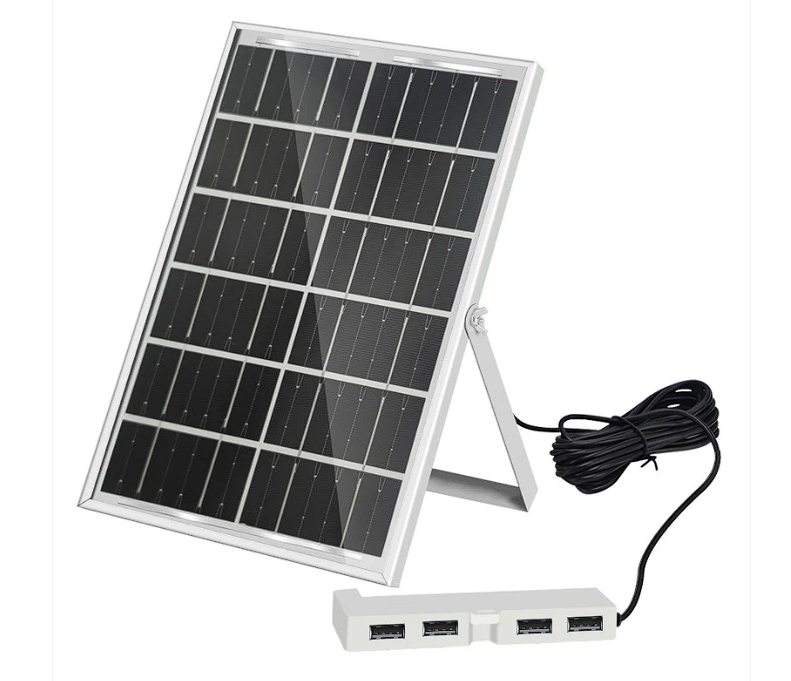
Solar Panels: Types, Features, and Tips for Choosing the Right Panel

Solar panels are energy-generating devices designed to convert sunlight into electrical energy. They are used in residential buildings, commercial properties, industrial facilities, and various other applications. Solar technology provides an alternative way to generate electricity using sunlight. Common solar panel types include monocrystalline, polycrystalline, and thin-film panels. Different models vary in efficiency, construction, dimensions, and power output. Explore the Solar Panels range to discover available products and features.
What Are Solar Panels?
Solar panels are devices made up of photovoltaic (PV) cells that convert sunlight into electricity. These cells contain semiconductor materials that generate electrical current when exposed to sunlight.
Multiple photovoltaic cells are connected to form a solar module. Several modules can then be combined into a larger solar array to generate electricity according to the system's requirements.
A complete solar power system generally includes solar panels, an inverter, mounting structures, electrical connections, and, in some configurations, battery storage. The panels generate direct current (DC) electricity, while an inverter converts it into alternating current (AC) for compatible household and commercial applications.
Solar panels are available in different technologies, sizes, capacities, and configurations. Their performance depends on factors such as sunlight availability, panel orientation, installation conditions, temperature, and product specifications.
Choosing a suitable solar panel involves considering power requirements, available installation space, efficiency ratings, compatibility, and long-term maintenance needs.
Key Features & Benefits of Solar Panels
-
Sunlight Conversion: Photovoltaic cells convert sunlight into electrical energy.
-
Renewable Energy: Solar panels use sunlight as a renewable energy source.
-
Different Technologies: Available in monocrystalline, polycrystalline, and thin-film configurations.
-
Multiple Power Ratings: Panels are available with different rated power outputs.
-
Modular Design: Multiple panels can be connected to create larger solar arrays.
-
Residential Applications: Suitable systems can support electricity generation for homes.
-
Commercial Applications: Larger installations can support selected business and industrial energy requirements.
-
Battery Compatibility: Compatible systems can store generated electricity using suitable battery arrangements.
-
Outdoor Construction: Many panels feature protective glass, weather-resistant materials, and durable frames.
-
Low Routine Maintenance: Solar panels generally have limited moving components and require periodic inspection and cleaning.
Different Types of Solar Panels
Monocrystalline Solar Panels: These panels are manufactured using monocrystalline silicon cells. They are commonly recognized by their dark appearance and are available in different power ratings and dimensions. Their efficiency and performance depend on the specific product design.
Polycrystalline Solar Panels: Polycrystalline panels are manufactured using multiple silicon crystal structures. They commonly have a blue appearance and are available in different configurations for residential and commercial applications.
Thin-Film Solar Panels: Thin-film panels use thin layers of photovoltaic materials deposited onto suitable surfaces. They can offer different design and flexibility characteristics depending on the technology used.
Bifacial Solar Panels: Bifacial panels are designed to capture sunlight from both the front and rear surfaces. Their additional energy generation depends on installation conditions and the amount of reflected light available.
Flexible Solar Panels: Flexible solar panels feature lightweight construction and can be suitable for selected applications where conventional rigid panels are less practical. Their compatibility depends on the surface and installation requirements.
Portable Solar Panels: Portable solar panels are designed for applications requiring movable solar equipment. Their power output, dimensions, and compatible connections vary by model.
Residential Solar Panels: Residential panels are designed for household solar installations. They are selected according to electricity requirements, roof space, and compatible system components.
Everyday Uses for Solar Panels
Solar panels are used in residential, commercial, agricultural, and other suitable environments. Their applications depend on the system capacity, installation arrangement, and electricity requirements.
In residential settings, rooftop solar systems can generate electricity for compatible household appliances, lighting, and other electrical equipment. The amount of electricity generated depends on the system size and available sunlight.
Commercial buildings may use larger solar installations to support selected operational electricity requirements. These systems can be designed according to building space and energy consumption.
Agricultural applications include solar-powered water pumping systems and other compatible equipment. The system configuration depends on the required electrical capacity and operating conditions.
Solar panels can also support off-grid electricity systems when combined with suitable inverters and battery storage. These arrangements are designed for locations where a conventional grid connection is unavailable or unsuitable.
Portable solar panels are used in selected outdoor and mobile applications where their specifications and power output match the connected equipment.
Solar installations involve electrical and structural considerations. System design, wiring, mounting, and installation should be handled by qualified professionals following applicable safety requirements.
How to Choose the Right Solar Panel
Consider these factors when comparing solar panels:
-
Power Output: Check the rated wattage to understand the panel's specified electricity-generating capacity.
-
Panel Technology: Compare monocrystalline, polycrystalline, thin-film, and other available configurations.
-
Efficiency Rating: Review the manufacturer's stated conversion efficiency.
-
Available Space: Consider the installation area's dimensions and suitability.
-
Dimensions and Weight: Check the panel size and weight according to the intended installation.
-
System Compatibility: Confirm compatibility with the inverter, battery system, and other components.
-
Construction Quality: Review the frame, protective glass, materials, and weather-resistance specifications.
-
Operating Conditions: Consider the manufacturer's temperature and environmental performance information.
-
Warranty: Review product warranties and performance-related coverage.
-
Manufacturer Support: Check documentation, technical assistance, and service availability.
When shopping online, carefully review the product description and technical specifications. Check the rated power, dimensions, efficiency, connector details, compatibility, and included accessories.
Product photographs can help you understand the panel's general design, but written specifications are important for confirming its actual capabilities.
Choose a solar panel according to your electricity requirements and installation conditions rather than selecting one based only on its appearance or advertised wattage.
Solar Panel Care and Maintenance
Regular inspection and suitable maintenance help preserve solar panel condition and performance. Maintenance requirements vary according to the panel type, installation environment, and manufacturer recommendations.
Keep the panel surfaces reasonably clean so that accumulated dust and dirt do not unnecessarily obstruct sunlight. Cleaning frequency depends on local environmental conditions and manufacturer guidance.
Use only manufacturer-approved cleaning methods. Avoid abrasive materials or cleaning products that could damage the protective surface.
Arrange periodic professional inspections to check mounting structures, accessible connections, and other system components.
Monitor the system's electricity generation through its available monitoring equipment. Significant or unexpected changes in performance should be assessed by a qualified technician.
Keep surrounding areas clear of excessive shading where practical, and ensure that vegetation does not interfere with the installation.
Do not attempt to repair electrical connections, remove panels, or work on rooftop installations independently. Such tasks should be handled by qualified professionals using appropriate safety procedures.
Proper installation, periodic inspections, and suitable maintenance can help support the long-term operation of solar panel systems.
Explore Solar Panels at Global Swanky
Solar panels offer a practical way to generate electricity using sunlight across different residential and commercial applications. From monocrystalline and polycrystalline panels to thin-film, bifacial, flexible, and portable designs, different configurations provide options for various energy requirements.
Explore the Solar Panels range to compare available designs, product features, and technical specifications. You can also visit Global Swanky to discover more electronics, home products, electrical accessories, and everyday essentials.
Frequently Asked Questions About Solar Panels
What Are Solar Panels Used For?
Solar panels convert sunlight into electricity. They are used in residential buildings, commercial properties, agricultural applications, and compatible off-grid power systems.
What Are the Different Types of Solar Panels?
Common types include monocrystalline, polycrystalline, thin-film, bifacial, flexible, and portable solar panels. Each type has different construction characteristics and applications.
How Do Solar Panels Generate Electricity?
Solar panels use photovoltaic cells to absorb sunlight and generate direct current electricity. An inverter can convert this electricity into alternating current for compatible electrical applications.
How Do I Choose the Right Solar Panel?
Consider the rated power output, efficiency, panel technology, dimensions, installation space, system compatibility, construction quality, warranty, and manufacturer support.
How Should Solar Panels Be Maintained?
Keep panel surfaces clean using approved methods, arrange periodic professional inspections, monitor system performance, and check mounting structures through qualified technicians. Follow the manufacturer's maintenance recommendations.


