

Travel continues to change as people look for new ways to explore different destinations, experience local cultures, and plan their holidays. For many travelers, a trip is no longer just about visiting popular tourist attractions. It is also about discovering local food, enjoying outdoor activities, learning about different communities, and spending time away from everyday routines. Technology has also made travel planning easier by giving people access to online bookings, destination guides, reviews, and travel recommendations.
I find it interesting how travel preferences continue to develop alongside digital lifestyles. Online platforms such as MRKTPLCE vape juice are also part of the wider digital marketplace that travelers may encounter when researching lifestyle products and online shopping options. However, when planning a trip, I believe the main focus should remain on choosing destinations, understanding local customs, and preparing for a comfortable journey.
1. How Technology Is Making Travel Planning Easier
Technology has changed how people research and organize their trips. Travelers can now compare destinations, check accommodation prices, book transportation, and read customer reviews without visiting multiple travel agencies.
Mobile applications and travel websites provide useful information throughout the journey. They help travelers manage bookings, find nearby attractions, and understand transportation options.
Some common ways technology supports travel planning include:
-
Online booking: Travelers can reserve flights, hotels, and rental vehicles through websites and applications.
-
Digital maps: Navigation applications help visitors find attractions, restaurants, and transportation services.
-
Travel reviews: Customer feedback provides information about accommodation, activities, and destinations.
-
Translation tools: Mobile translation applications help travelers communicate in unfamiliar languages.
-
Travel budgeting: Online tools make it easier to compare costs and organize expenses.
Another useful development is artificial intelligence. Some travel platforms provide personalized recommendations based on travel dates, budgets, and interests. These tools can save time when organizing a trip, although travelers should always verify important details before making reservations.
2. Popular Travel Destinations and Changing Preferences
Travelers have different reasons for choosing a destination. Some prefer busy cities with shopping centers, museums, and entertainment options, while others enjoy beaches, mountains, and quiet countryside locations.
Popular destinations continue to attract visitors because they offer established tourism facilities, transportation networks, and well-known attractions. However, smaller towns and less crowded locations are also gaining attention among people who want to experience local communities.
For example, travelers visiting the United States may consider destinations such as New York, California, Florida, and Hawaii. Each location offers different experiences.
Some popular travel experiences include:
-
City exploration: Visiting museums, historic buildings, shopping areas, and local restaurants.
-
Beach holidays: Spending time near the ocean and enjoying swimming or other outdoor activities.
-
Mountain trips: Exploring hiking routes, national parks, and scenic landscapes.
-
Cultural tourism: Learning about local traditions, architecture, festivals, and history.
-
Road trips: Exploring several destinations while traveling by car.
Choosing the right destination depends on personal interests, available time, weather conditions, and travel budgets. Researching these factors before departure can help create a more enjoyable experience.
3. The Growing Interest in Local Culture and Food
Local culture plays an important role in modern travel. Many visitors want to understand how people live in different parts of the world rather than spending their entire holiday visiting tourist attractions.
Food is one of the easiest ways to experience a destination's culture. Local markets, traditional restaurants, street food vendors, and regional food festivals introduce travelers to different ingredients and cooking methods.
Food-related travel activities include:
-
Visiting traditional food markets.
-
Trying regional dishes and local specialties.
-
Taking cooking classes with local instructors.
-
Exploring restaurants recommended by residents.
-
Attending food festivals and community events.
Travelers also use online resources to research products, shopping options, and lifestyle interests before and during their journeys. For example, people interested in vaping products may research Mrkt Plce Salt E-Liquid while browsing online product information.
When traveling internationally, it is important to understand local laws and regulations before purchasing or carrying restricted products. Rules concerning vaping products, liquids, and nicotine vary between countries and can affect what travelers are legally allowed to bring.
Respecting local customs is equally important. Learning a few basic phrases, following cultural guidelines, and supporting local businesses can make travel more meaningful.
4. Budget Travel and Better Money Management
Travel does not always require an expensive holiday. With proper planning, people can explore different destinations while keeping their expenses under control.
Budget travel has become popular because many travelers want to make the most of their available money. Comparing transportation options, choosing affordable accommodation, and traveling during less busy periods can help reduce costs.
Here are some practical ways to manage a travel budget:
-
Book transportation early: Comparing flight and train prices can help identify affordable options.
-
Compare accommodation: Hotels, hostels, and vacation rentals offer different price ranges.
-
Travel during off-peak periods: Visiting destinations outside major holiday seasons may reduce accommodation and transportation costs.
-
Use public transportation: Buses, trains, and local transportation services can be more affordable than private vehicles.
-
Plan daily expenses: Setting a daily spending limit helps travelers manage their money.
-
Look for free activities: Public parks, walking tours, beaches, and selected museums provide affordable entertainment.
Travelers should also keep some extra money for unexpected expenses. Flight changes, medical needs, transportation delays, and other situations can affect the original budget.
A realistic travel budget should include transportation, accommodation, meals, activities, travel insurance, and emergency expenses.
5. Sustainable Tourism and Responsible Travel Choices
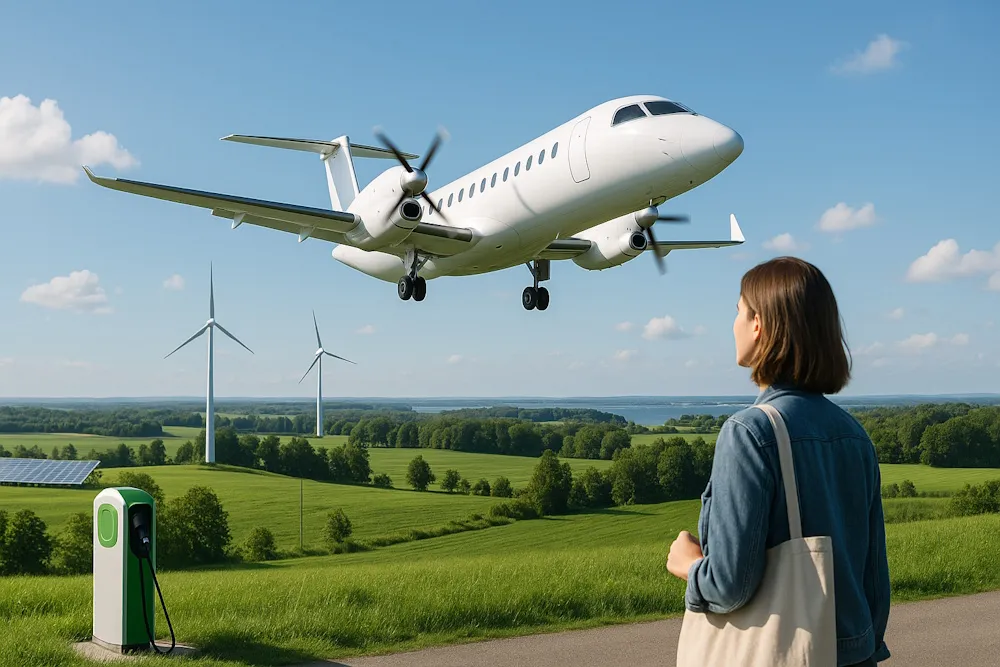
Sustainable tourism is becoming an important part of the travel industry. As more people visit popular destinations, communities and tourism organizations are paying greater attention to environmental protection and responsible travel practices.
Tourism can support local economies by creating employment opportunities and generating income for small businesses. At the same time, large numbers of visitors can increase waste, traffic, and pressure on natural resources.
Travelers can make more responsible choices through simple actions.
Some practical responsible travel habits include:
-
Avoid leaving rubbish at beaches, parks, and natural attractions.
-
Carry reusable water bottles where permitted.
-
Choose local businesses when buying food and souvenirs.
-
Respect wildlife and avoid activities that harm animals.
-
Follow local rules when visiting protected areas.
-
Use public transportation or walk when practical.
-
Respect local traditions, communities, and cultural sites.
Choosing locally owned accommodation and restaurants can also help support the communities that welcome visitors.
Sustainable tourism does not mean avoiding popular destinations. It means understanding how travel choices affect the environment and local people. Even small changes in daily habits can contribute to better tourism practices.
6. How to Prepare for a Comfortable Travel Experience
Good preparation can make a significant difference to any journey. Whether someone is planning a weekend getaway or an international holiday, organizing essential details beforehand helps reduce confusion and unnecessary expenses.
I recommend creating a simple checklist before leaving home. This makes it easier to keep track of important documents, reservations, and personal belongings.
A useful travel preparation checklist includes:
-
Travel documents: Check passport validity, visas, identification, and required permits.
-
Transportation: Confirm flight, train, bus, or car rental reservations.
-
Accommodation: Verify hotel addresses, check-in times, and booking details.
-
Packing: Prepare clothing according to the destination's weather and planned activities.
-
Travel insurance: Review available coverage for medical emergencies, cancellations, and lost baggage.
-
Health essentials: Carry necessary personal items and check any destination-specific health requirements.
-
Communication: Arrange international roaming, mobile data, or a local SIM where appropriate.
-
Emergency contacts: Keep important phone numbers and reservation details accessible.
It is also helpful to download offline maps and save important travel documents on a mobile device. Keeping backup copies of essential documents can provide additional convenience if the originals are lost.
For travelers interested in exploring different lifestyle products before a trip, researching product specifications and travel restrictions is also useful. For example, the MRKTPLCE E-Liquids is one product that shoppers may research online. Anyone considering carrying vaping products should check airline policies and destination regulations before traveling.
Ultimately, travel is about exploring new places, understanding different cultures, and creating experiences that people can remember. Good planning, responsible decisions, and an open attitude can make almost any journey more rewarding.


