
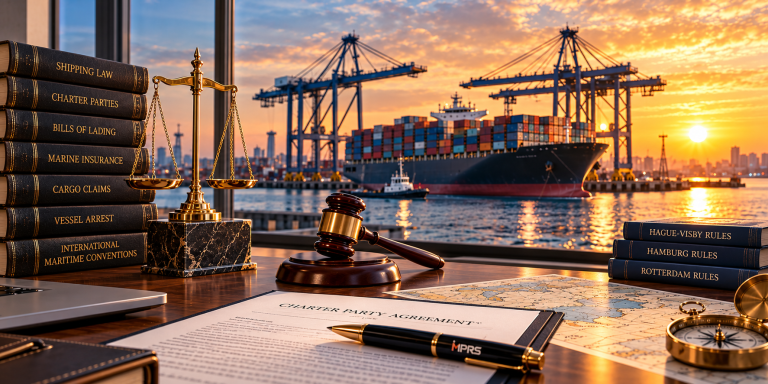

A significant portion of global cargo movement depends on ocean freight, sea freight shipping, vessel operations, port activities & international shipping services. Every shipment involves multiple stakeholders, including ship owners, charterers, cargo owners, freight forwarders, port authorities, customs officials. Managing these operations requires more than efficient transportation. It requires a thorough understanding of maritime laws, contractual obligations, regulatory requirements. Maritime legal consultancy helps businesses navigate the complex legal environment surrounding shipping operations. From drafting commercial agreements to resolving cargo disputes, professional legal guidance protects business interests throughout the shipping process. Whether a company manages ocean freight shipping, ship chartering, multimodal transport or international supply chain management, access to reliable maritime legal support can reduce risks while improving operational confidence.
What Is Maritime Legal Consultancy?
Maritime legal consultancy refers to specialised legal advisory services covering shipping, vessel operations, cargo transportation, marine insurance, international trade, port regulations. These services help businesses understand their legal responsibilities under domestic legislation, international maritime conventions & commercial contracts. The maritime sector operates across multiple jurisdictions. A shipment departing from Mumbai may involve an international ocean shipping company, overseas ports, foreign customs authorities, multiple logistics providers. Each stage introduces potential legal considerations. Maritime legal consultants assist shipowners, shipping agents, cargo operators, importers, exporters, ocean freight forwarders, freight forwarding companies with legal matters connected to their operations. Their role includes contract review, regulatory compliance, dispute resolution, risk assessment, legal representation.
Why Does the Maritime Industry Need Legal Consultancy?
International shipping involves substantial financial commitments. Delays, damaged cargo, contractual disagreements, vessel-related disputes can create unexpected expenses. Legal complications may also affect delivery schedules, business relationships, international trade commitments. Professional maritime legal consultancy helps businesses address these challenges through preventive legal planning.
- Contractual protection: Reviewing shipping agreements, charter party contracts, bills of lading, freight forwarding agreements helps clarify responsibilities, payment terms, liability provisions.
- Cargo dispute management: Legal assistance helps resolve claims involving damaged goods, missing consignments, delayed deliveries, incorrect documentation.
- Regulatory compliance: Shipping businesses must understand applicable national regulations, international conventions, port requirements, environmental standards.
- Vessel-related legal matters: Shipowners may require assistance with vessel registration, ownership disputes, ship mortgages, chartering agreements, maritime claims.
- Commercial risk management: Legal reviews help identify potential liabilities before they develop into expensive disputes.
These services support smoother operations across ocean logistics, sea cargo services & supply chain logistics.
1. Shipping Contracts & Commercial Agreements:
Contracts form the foundation of maritime trade. Every ocean freight shipment involves agreements defining the responsibilities of carriers, shippers, consignees, intermediaries. A maritime legal consultant can review bills of lading, charter party agreements, shipping instructions, cargo handling contracts, freight forwarding agreements. Proper documentation helps establish liability in cases involving cargo loss, delayed delivery, payment disputes. Businesses using FCL & LCL shipping, ocean container transportation, door to door cargo services should pay particular attention to contractual terms. Agreements must clearly define delivery obligations, insurance requirements, freight charges, dispute resolution procedures.
2.Ship Chartering & Vessel-Related Legal Services:
Ship chartering involves hiring vessels for specific commercial purposes. Charter arrangements may cover voyage charter, time charter, bareboat charter. Each arrangement creates different legal obligations for shipowners, charterers. Disagreements may arise over vessel availability, freight payments, demurrage, cargo operations, seaworthiness. Legal consultancy helps businesses negotiate charter party agreements, review contractual clauses, understand liability provisions, address disputes. These services are valuable for shipping companies managing international trade lanes, bulk cargo movements & project logistics.
3.Cargo Claims and Marine Insurance:
Cargo damage remains a significant concern in maritime transportation. Improper handling, container damage, adverse weather, inadequate packaging, transportation delays can result in financial losses. Marine insurance provides financial protection against specified risks. However, claim settlements depend on policy conditions, supporting documents & applicable liability rules. Legal consultants assist businesses with insurance documentation, cargo claims, liability assessments, settlement negotiations. Their involvement can help importers, exporters, ocean freight forwarders understand their rights when shipments encounter unexpected problems.
4.Customs Clearance & International Trade Compliance:
International cargo movement requires accurate documentation. Customs clearance in Mumbai involves compliance with applicable import-export procedures, classification requirements, duties, regulatory approvals. Legal guidance helps businesses address documentation discrepancies, customs disputes, cargo detention, classification-related issues. Companies working with a freight forwarding company in Mumbai, a freight forwarding company in India, or freight forwarders in Mumbai should understand the legal responsibilities associated with cargo declarations, shipping documentation, customs procedures. This becomes particularly important for USA shipping, USA Trade lane container shipping, urgent USA cargo shipping, international air freight, air cargo to India.
5.Maritime Dispute Resolution:
Disputes can emerge between shipowners, charterers, cargo owners, shipping agents, freight forwarders. Common issues include unpaid freight charges, cargo damage, vessel detention, contractual breaches, maritime liens. Maritime legal consultants help businesses evaluate dispute resolution options. These may include negotiation, mediation, arbitration, litigation, depending on the contract plus applicable law. In India, the Admiralty (Jurisdiction and Settlement of Maritime Claims) Act, 2017 provides a legal framework for specified maritime claims, including provisions relating to vessel arrest. Such proceedings require careful legal assessment.
Understanding Maritime Laws in India:
India has an established maritime legal framework governing shipping operations, vessel-related claims, cargo transportation, port activities. The Admiralty (Jurisdiction and Settlement of Maritime Claims) Act, 2017 is particularly important. It addresses admiralty jurisdiction, maritime claims, vessel arrest, detention, sale, maritime liens. Another important development is the Carriage of Goods by Sea Act, 2025, which establishes responsibilities, rights, liabilities, immunities relating to carriers under applicable contracts for carriage of goods by sea. The Act came into force on 10 September 2025. International maritime operations may also involve conventions developed by the International Maritime Organization (IMO). Important examples include SOLAS, covering maritime safety, MARPOL, addressing prevention of pollution from ships. Businesses engaged in ocean freight logistics must understand which legal provisions apply to their vessels, cargo, contractual arrangements, trading routes. Legal requirements can differ depending on jurisdiction, cargo category, vessel type, destination.
The Role of Legal Consultancy in Modern Logistics Operations:
Modern logistics involves several transportation methods. Businesses increasingly depend on multimodal transport, rail transport, air freight services India, ocean freight, integrated warehousing logistics. Each transportation stage may involve separate contracts, regulatory obligations, liability considerations. For example, a shipment transported through multimodal logistics may move from a manufacturing facility to a warehouse, then to a port, followed by international sea freight shipping. The final delivery may involve a local transport company in Mumbai or another destination market. Legal consultancy helps businesses understand contractual responsibilities across these stages. It can also support procurement management, procurement in logistics, cross country logistics, transit logistics solutions. Companies offering first mile to last mile delivery, cross stuffing facility services, ISO Tanks transportation, project logistics require clear agreements covering cargo handling, safety requirements, documentation, liability. Legal oversight can strengthen supply chain management services through better contractual controls, improved compliance procedures, structured dispute management.
How to Choose the Right Maritime Legal Consultant:
Selecting an experienced maritime legal consultant is important for businesses operating in the shipping sector. Legal requirements can become complicated when multiple countries, carriers, logistics providers are involved.
- Industry knowledge: Look for professionals familiar with maritime legislation, shipping contracts, admiralty proceedings, international trade regulations.
- Commercial understanding: Experience with ocean shipping companies, freight forwarding services India, shipowners, cargo operators can be valuable.
- International exposure: Knowledge of cross-border shipping requirements helps businesses manage overseas transactions.
- Dispute resolution experience: Check familiarity with maritime arbitration, cargo claims, vessel-related disputes.
- Regulatory awareness: Consultants should understand relevant Indian legislation, international maritime conventions & applicable compliance requirements.
Businesses should also consider the consultant's ability to coordinate with logistics partners, customs professionals, marine insurers, international legal experts. Maritime legal consultancy is an essential part of responsible shipping operations. As international trade expands, businesses face increasingly complex contractual, regulatory, commercial challenges. Professional legal guidance helps protect cargo interests, clarify contractual obligations, manage maritime disputes, maintain compliance across international shipping activities. Whether a business works with ocean shipping companies, ocean freight forwarders, a logistics company in Mumbai, a warehouse logistics company, or international supply chain management providers, legal support can strengthen operational reliability.
Combining maritime legal expertise with efficient global logistics solutions creates a more secure foundation for international trade. Businesses that prioritise legal compliance can manage shipping risks more effectively, protect commercial interests, build stronger relationships across the global maritime industry.


