Introduction
The trade bridge between China and Pakistan is stronger than ever—and at the heart of this connection lies the rapidly expanding China Pakistan cargo ecosystem. Whether it’s e-commerce parcels, industrial machinery, textile raw materials, or electronics, millions of shipments move between the two countries each year.
This article explores how China Pakistan cargo works, why it's booming, and what businesses must know to ship efficiently.
1. The Rise of China Pakistan Cargo Trade
Over the last decade, political cooperation, improved infrastructure, and e-commerce growth have transformed the way goods move between the two nations.
Projects under the China-Pakistan Economic Corridor (CPEC) have built highways, upgraded ports, and boosted logistics capacity—making cargo movement faster than ever before.
Why Trade Has Expanded
- Increasing online shopping from China
- Lower transportation costs due to improved routes
- Fast delivery options via air, sea, and road
- Growing demand for Chinese machinery and electronics
The result? A trade corridor that's now one of the most active in South Asia.
2. Popular Cargo Categories Between China and Pakistan
Not every shipment is the same. Businesses from both countries rely on a diverse mix of products.
Common Imports from China
- Mobile phones, accessories, and consumer electronics
- Household appliances
- Clothing, shoes, and fashion items
- Industrial equipment and spare parts
- Solar panels and energy components
Exports from Pakistan to China
- Cotton and textile goods
- Leather products
- Minerals and raw materials
- Food and agricultural commodities
Understanding these product flows helps traders choose better routes and cargo services.
3. Main Cargo Routes Between China and Pakistan
Thanks to CPEC and enhanced logistics infrastructure, traders can now choose from several shipping options.
3.1 Sea Freight
The most widely used mode for bulk shipments.
- Ships usually travel from Shanghai, Ningbo, Guangzhou, or Shenzhen
- Arrivals at Karachi Port or Port Qasim
- Cost-effective but slower (15–30 days)
3.2 Air Freight
Perfect for high-value or urgent shipments.
- Flights from major Chinese hubs to Karachi, Lahore, Islamabad
- Delivery time: 3–7 days
- More expensive but highly reliable
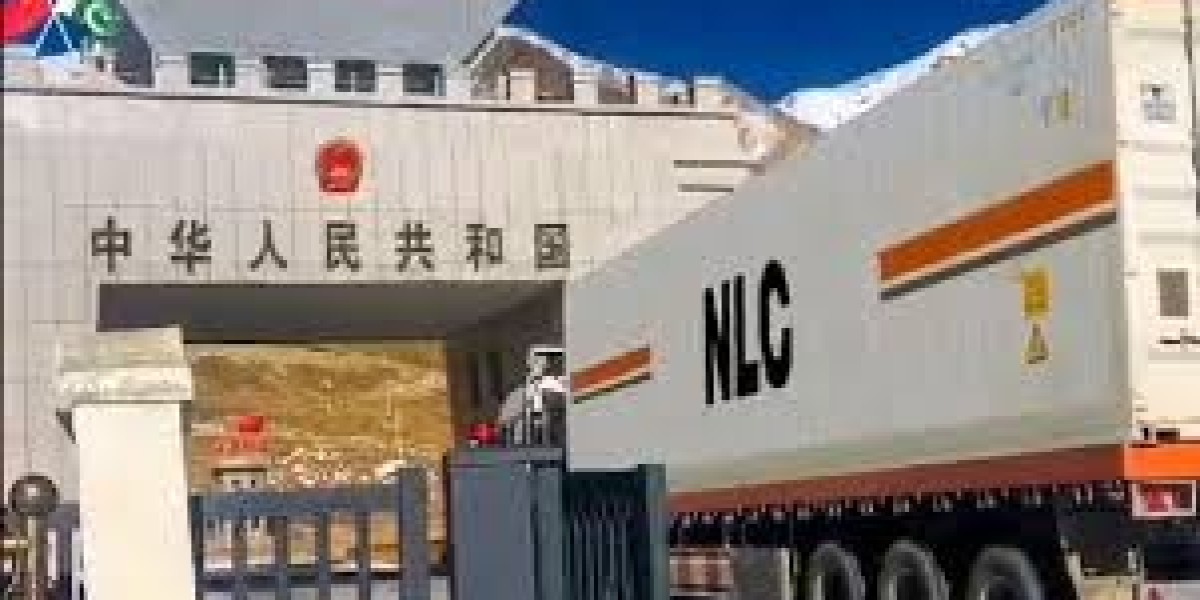
3.3 Road Transport via Khunjerab Pass
A newer but promising route.
- Seasonal road cargo through the China–Pakistan border
- Useful for small-to-medium shipments
- Delivery time: 7–14 days depending on customs and weather
4. Choosing a Reliable China Pakistan Cargo Service
Selecting the right logistics partner can save time, money, and frustration.
What to Look For
✔ Transparent pricing
✔ Multiple shipping routes (air/sea/road)
✔ Customs clearance support
✔ Warehousing and consolidation options
✔ Real-time cargo tracking
✔ Experience with fragile or high-value goods
A good provider should simplify the entire journey—from supplier pickup in China to doorstep delivery in Pakistan.
5. Tips to Reduce China Pakistan Cargo Costs
Smart traders reduce expenses without compromising shipment quality.
Practical Cost-Saving Strategies
- Consolidate packages instead of sending multiple small parcels
- Choose sea freight for non-urgent goods
- Use standard packaging sizes to avoid dimensional weight charges
- Book shipments during non-peak seasons
- Compare multiple cargo service quotes before shipping
Every small optimization adds up over repeated shipments.
6. Future of China Pakistan Cargo
The future looks promising. With ongoing CPEC development, digital tracking systems, and growing trade partnerships, cargo movement will become:
- Faster
- Cheaper
- More transparent
- More accessible to small businesses
Expect innovations like automated customs clearance, AI-based tracking, and integrated cross-border e-commerce platforms.
Conclusion
The China Pakistan cargo route is more than just a logistics path—it’s a backbone of economic cooperation and an opportunity for businesses of all sizes. Whether you’re an online seller, manufacturer, or importer, understanding this trade channel helps you operate smarter and achieve long-term growth.