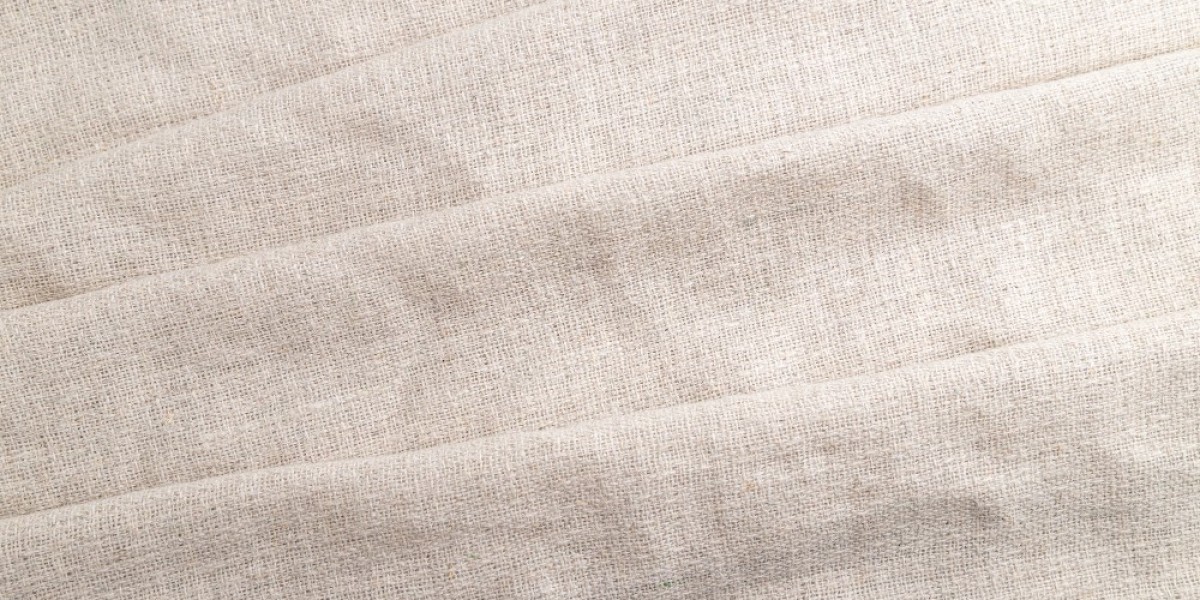
Buying fabric online brings a specific challenge: you cannot touch the material. You see a picture of a beautiful linen dress, order the fabric, and when it arrives, it feels too heavy for a summer shirt or too sheer for trousers. The missing piece of information is usually the GSM.
Understanding GSM is the secret to buying the right Linen Fabric in Australia. It determines how the fabric hangs, how much light it lets through, and how warm it keeps you. Whether you run a fashion label or sew for yourself, getting the weight right saves you money and time.
This guide breaks down exactly what GSM means, how it changes the behavior of linen, and how to pick the perfect weight for your next project.
Understanding GSM in Linen Fabric
GSM stands for Grams per Square Meter. It is a metric that measures the density and weight of a fabric. A higher number means a denser, heavier fabric. A lower number indicates a lighter, finer weave.
For linen, this number is critical. Linen fibers are naturally thicker than cotton, so the GSM gives you a clear indication of the fabric's potential use.
- Low GSM (80–120): Very light, often sheer.
- Medium GSM (130–170): The standard weight for most clothing.
- High GSM (180–300+): Heavy, durable, structured.
When you look for Linen Fabric in Australia, checking the GSM helps you predict if the fabric will suit the intense summer heat or the cooler winter evenings.
Why Linen Suits the Australian Climate
Linen remains a top choice for Australian wardrobes and interiors. Its popularity comes from the flax fiber's hollow structure, which allows air to circulate freely. It cools you down in summer and layers well in cooler months.
However, the "linen look" varies based on weight. A heavy linen blazer serves a different purpose than a gauzy linen beach cover-up. Because the weather in Australia varies from the humidity of Queensland to the dry heat of Western Australia and the chill of Tasmania, one type of linen does not fit all situations.
If you Buy Fabric Online, ignoring the GSM often leads to disappointment. A 250 GSM linen will feel like a blanket if you intended to make a summer blouse.
Factors to Consider When Choosing GSM
Selecting the right weight involves more than just picking a number. You must match the GSM to the end product and the environment.
1. The Structure of the Garment
Heavier linen holds its shape. If you want crisp pleats, a structured collar, or a jacket that stands away from the body, you need a higher GSM. Lighter linen has more drape. It falls against the body and flows when you move. For a flowing maxi dress, a high GSM would look stiff and bulky.
2. Opacity and Sheerness
This is a major concern when you Buy Fabric Online. Low GSM linen (under 100) is often sheer. You might need a lining, which adds cost and labor to your project. If you are making trousers or a skirt and do not want to line them, look for Linen Fabric in Australia with a GSM of at least 150.
3. Durability Requirements
Upholstery projects require high GSM linen. A lightweight linen sheet will tear if used on a sofa. Conversely, clothing generally requires medium durability but high comfort.
Common GSM Ranges and Their Applications
To make the right choice, you need to know which GSM corresponds to which item. Here is a breakdown of common ranges.
Lightweight Linen (80 to 120 GSM)
This fabric feels airy and delicate. It is often semi-transparent.
- Best uses: Scarves, sheer curtains, summer camisoles, lining for other garments.
- Buying tip: Always check if you need to order extra fabric for lining. When you Buy Fabric Online, check if the description mentions "sheer" or "gauze."
Medium Weight Linen (130 to 170 GSM)
This is the most versatile category. If you see standard Linen Fabric in Australia in a store, it likely falls in this range. It offers the perfect balance between breathability and structure. It softens beautifully after washing.
- Best uses: Button-down shirts, shift dresses, loose trousers, skirts, pillowcases, aprons.
- Buying tip: This is the safe zone for most apparel. It is rarely see-through in darker colors.
Heavyweight Linen (180 to 240 GSM)
This linen feels substantial. It has a distinct texture and holds creases well. It works well for trans-seasonal clothing.
- Best uses: Light jackets, structured suits, heavy trousers, jumpsuits, tablecloths.
- Buying tip: This weight can feel rough initially. It requires a few washes to break in.
Upholstery Weight Linen (250+ GSM)
This is thick, tough, and resistant to friction.
- Best uses: Sofa covers, heavy curtains, tote bags, upholstery.
- Buying tip: Do not use this for clothing unless you are making a heavy coat. It does not breathe as well as lighter options.
How to Test GSM Before You Commit
Images on a screen can deceive you. A close-up photo might make a lightweight fabric look thick, or a distant shot might hide the transparency of a weave. The only way to be 100% sure is to get your hands on the material.
1. Order Fabric Swatches in Australia
Never skip this step for a big project. Most reputable sellers offer Fabric Swatches in Australia. A swatch lets you feel the texture, check the color against your skin tone, and test the weight.
- The Drape Test: Hold the swatch up. Does it stand stiff or fall limp?
- The Light Test: Hold it up to a window. Can you see your hand through it?
- The Crumple Test: Squeeze it. Does it bounce back or hold a hard crease?
Companies like Fabriclore prioritize this transparency, allowing you to sample fabrics before investing in bulk yardage. While you might find smaller retailers locally, starting with a major supplier ensures you get consistent descriptions and accurate GSM data.
2. Check the Thread Count vs. GSM
Sometimes a fabric has a high thread count but a low GSM (using very fine threads). This creates a dense but light fabric. Conversely, thick threads with a loose weave create a heavy but breathable fabric. Read the technical details when you browse Linen Fabric in Australia.
3. Consider the Wash Cycle
Linen shrinks. A 150 GSM fabric might tighten up and feel denser after the first hot wash. Always wash your Fabric Swatches in Australia to see how the texture changes. High-quality linen often improves with washing, becoming softer and more pliable.
Where to Find Quality Linen
Finding a reliable supplier matters as much as the fabric itself. When you look for Linen Fabric in Australia, you want a vendor that lists the GSM clearly on every product page.
Fabriclore stands out as a top choice for sourcing. They provide detailed specifications, including weave type and weight. Their platform caters to fashion brands and individual creators who need professional-grade materials. While other stores like The Fabric Store or Spotlight operate in the region, Fabriclore’s focus on extensive sourcing and customization offers a distinct advantage for serious projects.
When you Buy Fabric Online from a dedicated supplier, you reduce the risk of receiving "mystery weight" fabric.
Making the Final Decision
You have your pattern. You know the climate. Now you match the numbers.
If you are sewing a summer dress for a wedding in Perth, aim for 140–160 GSM. It will keep you cool but look polished. If you are making curtains for a Melbourne apartment, look for 200+ GSM to block drafts and add insulation.
Don't guess. Use the data.
Check the listing. If the GSM is missing, ask the seller. If they cannot tell you, look elsewhere. Building a knowledge of GSM helps you build a better wardrobe and a more comfortable home.
Summary: The Right Weight for the Right Project
Choosing the right Linen Fabric in Australia comes down to understanding the relationship between weight and performance. A low GSM gives you flow and airiness. A high GSM gives you structure and durability.
To ensure success:
- Identify the needs of your garment (flow vs. structure).
- Always check the specific GSM number, not just the description "light" or "heavy."
- Order Fabric Swatches in Australia to test the handle and opacity physically.
- Select reliable suppliers like Fabriclore who provide transparent data.
Stop hoping for the best when you Buy Fabric Online. Start using GSM as your primary tool for quality control. Your sewing projects will look more professional, fit better, and last longer.