
Introduction
A crimping tool may look simple, but it plays a critical role in electrical work, networking, crafting, and industrial assembly. Whether you're connecting wires, securing terminals, or building custom cable systems, the tool ensures strong, reliable connections without soldering. This guide breaks down what makes a crimping tool valuable, how it works, and what to look for when choosing one.
What Exactly Does a Crimping Tool Do?
At its core, a crimping tool compresses two materials together—often a connector and a wire—until they form a secure mechanical bond. Instead of melting metal or applying adhesives, crimping uses pressure to lock components tightly.
Why Crimping Matters
- Creates stable electrical flow
- Prevents loose wiring
- Reduces the risk of short circuits
- Produces consistent, professional results
A good crimp is strong enough to handle vibration, heat changes, and daily wear without coming apart.
Types of Crimping Tools and Their Uses
Crimping tools aren’t one-size-fits-all. Different industries rely on specialized models for precision work.
1. Ratchet Crimping Tools
Perfect for electricians and networking techs, ratchet-style tools apply uniform pressure and prevent under-crimping or over-crimping.
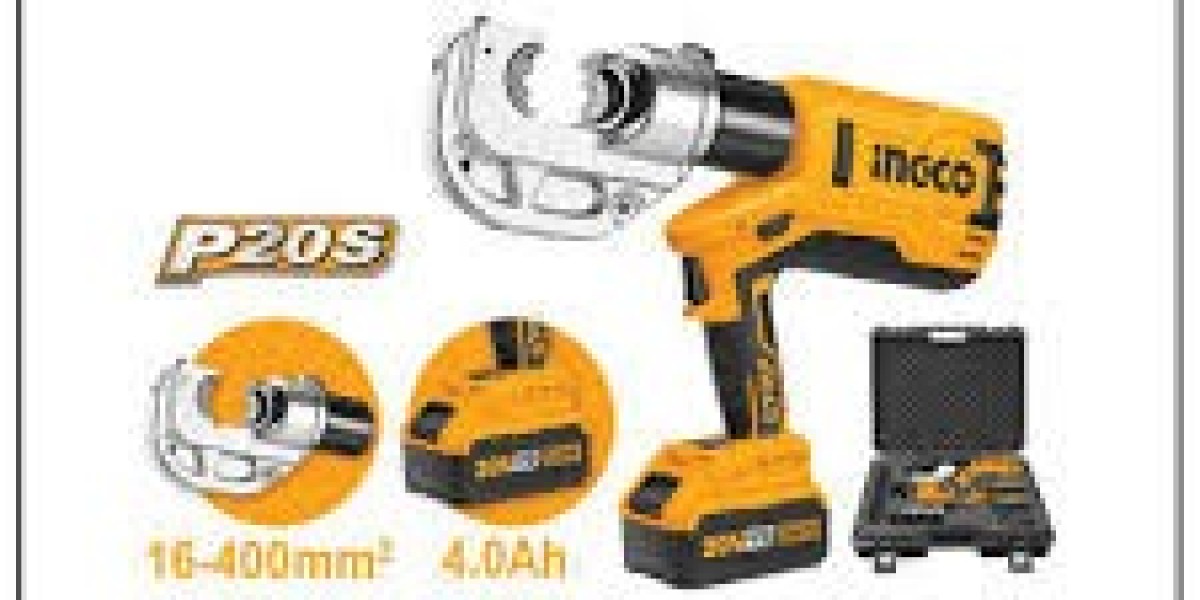
2. Hydraulic Crimpers
Used for heavy-duty cables and industrial wiring. They generate extreme force suitable for high-gauge conductors.
3. Modular Crimping Tools
Commonly used for phone lines, Ethernet cables, and RJ-type connectors.
4. Craft and Jewelry Crimpers
Designed for soft metals and delicate materials, used in beadwork and wire-based accessories.
5. Terminal and Lug Crimpers
Ideal for securing ring terminals, spade terminals, and battery connectors.
How a Crimping Tool Works: Simple Process, Professional Results
Although designs differ, most crimping tools follow the same basic steps:
- Strip the end of the wire
- Insert the connector
- Place both inside the crimping die
- Squeeze until the tool completes its cycle
- Test the connection by lightly pulling
The result is a tight, durable bond that allows for consistent electrical performance.
Key Features to Look For in a Quality Crimping Tool
A reliable tool crimping can last for years if you choose wisely. Here’s what sets a great tool apart:
Ergonomic Handles
Longer, cushioned grips reduce strain during repetitive tasks.
Interchangeable Dies
Useful for technicians who work with multiple connector sizes and styles.
Precision Ratcheting Action
Ensures even pressure throughout the tool crimping, improving accuracy and reducing mistakes.
Durability and Material Quality
Hardened steel frames and heat-treated jaws withstand continuous use.
Built-in Cutter or Stripper
Some tools combine stripping, cutting, and crimping to streamline workflow.
Common Mistakes to Avoid When Using a Crimping Tool
Even experienced professionals occasionally slip up. Avoid these mistakes for optimal results:
- Using the wrong die size for the connector
- Failing to strip the wire cleanly
- Applying uneven pressure
- Using connectors not designed for the tool
- Not testing the connection after crimping
Small errors can lead to poor conductivity or unstable connections.
Applications Across Industries
Crimping tools play an essential role in:
Electrical Installations
Wiring panels, battery connections, automotive repair.
Telecommunications
Ethernet cable assembly, phone lines, network installations.
Manufacturing & Assembly
Harness production, appliance assembly, control boards.
Personal Projects & DIY
Home networking, speaker setups, crafting, and automotive upgrades.
Why the Crimping Tool Remains a Must-Have Device
Despite the growth of wireless and digital technology, physical wiring isn’t going anywhere. The crimping tool remains indispensable because:
- It provides fast, reliable connections
- It eliminates the need for soldering
- It works across multiple industries
- It ensures long-term stability in electrical systems
Whether you’re working professionally or tackling DIY projects, the right crimping tool improves quality, safety, and efficiency.
Conclusion: The Crimping Tool Is Small in Size but Big in Value
A crimping tool is one of the most important devices in electrical, networking, and crafting work. With the right features, correct techniques, and proper connectors, it helps you create secure bonds that last. Whether you're a technician, hobbyist, engineer, or builder, this tool is essential for ensuring dependable and polished results.
Check Out More Latest Articles: Click Here