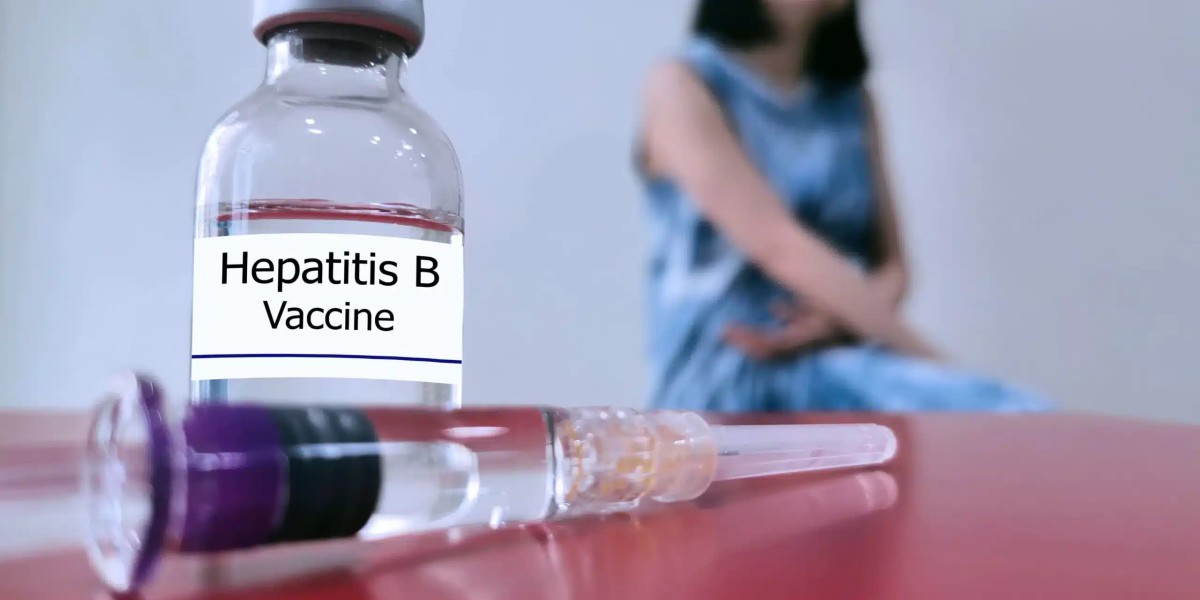
Pregnancy is a critical time for both maternal and fetal health, and Hepatitis B testing during pregnancy plays a vital role in preventing complications. Hepatitis B is a viral infection that affects the liver and can be transmitted from mother to child during childbirth. Early screening ensures timely intervention, protects the newborn, and safeguards long-term liver health for both mother and baby.
Understanding Hepatitis B and Its Risks in Pregnancy:
Hepatitis B Test in Dubai virus can remain silent for years while causing liver inflammation. In pregnant women, an undiagnosed infection not only affects maternal liver health but also carries a risk of transmitting the virus to the baby during delivery. Mother-to-child transmission is a leading cause of chronic hepatitis B infection worldwide, making early detection essential.
How Hepatitis B Affects Pregnancy?
Most pregnant women with hepatitis B experience no symptoms, but the virus can complicate liver function. Elevated liver enzymes or abnormal liver tests may indicate ongoing inflammation. Detecting infection early allows healthcare providers to monitor liver health closely and implement preventive measures to protect both mother and child.
The Purpose of Hepatitis B Testing During Pregnancy:
Hepatitis B testing identifies whether the virus is present, whether the mother has immunity, and whether interventions are needed to prevent transmission. Key purposes include:
Detecting active infection to monitor maternal liver health
Identifying susceptibility to guide vaccination decisions
Preventing vertical transmission to the newborn
Timing of Hepatitis B Screening in Pregnancy:
Screening is typically performed during the first prenatal visit. Early testing allows sufficient time for medical teams to plan interventions if the mother tests positive. In some cases, repeat testing may be recommended later in pregnancy if risk factors emerge.
Interpreting Test Results:
Test results during pregnancy include viral antigens and antibodies. A positive surface antigen indicates active infection, requiring closer monitoring and planning for the newborn. A positive surface antibody shows immunity, often from prior vaccination. Core antibodies indicate previous exposure and help guide follow-up care.
Preventing Mother-to-Child Transmission:
When a mother tests positive for hepatitis B, interventions can dramatically reduce the risk of vertical transmission. These may include:
Administering hepatitis B immunoglobulin to the newborn immediately after birth
Starting the hepatitis B vaccine series for the baby within 12 hours of delivery
Monitoring maternal viral load to guide additional care
These steps are highly effective in preventing chronic hepatitis B in the child.
Importance of Early Maternal Care:
Early prenatal care and timely hepatitis B testing ensure that mothers receive the guidance and treatment needed to maintain liver health and protect the baby. Monitoring liver enzymes and viral activity during pregnancy allows proactive management and reduces complications.
Educating Expectant Mothers About Hepatitis B:
Education is a key component of prenatal care. Expectant mothers should understand how hepatitis B spreads, the importance of testing, and how interventions protect the baby. Awareness encourages compliance with recommended screening and vaccination schedules.
Integrating Hepatitis B Testing With Routine Prenatal Care:
Hepatitis B testing is part of standard prenatal screening, along with tests for other infections and routine health assessments. Combining testing with counseling, vaccination, and liver monitoring ensures comprehensive maternal and fetal care.
Addressing Common Concerns About Testing:
Many pregnant women worry about test safety or results. Hepatitis B Test is safe, involves a simple blood draw, and provides crucial information for protecting both mother and child. Early detection reduces stress and allows for informed healthcare decisions.
Long-Term Benefits of Prenatal Hepatitis B Testing:
Early detection during pregnancy not only prevents newborn infection but also improves long-term health outcomes for mothers. Monitoring liver function and managing viral activity reduces the risk of chronic liver disease and related complications.
Final Thoughts on Hepatitis B Testing in Pregnancy:
Hepatitis B testing during pregnancy is a vital step in safeguarding maternal and newborn health. Early screening identifies infection, guides preventive measures, and protects the baby from vertical transmission. Integrating hepatitis B testing into prenatal care ensures both mother and child receive optimal protection and long-term health benefits.