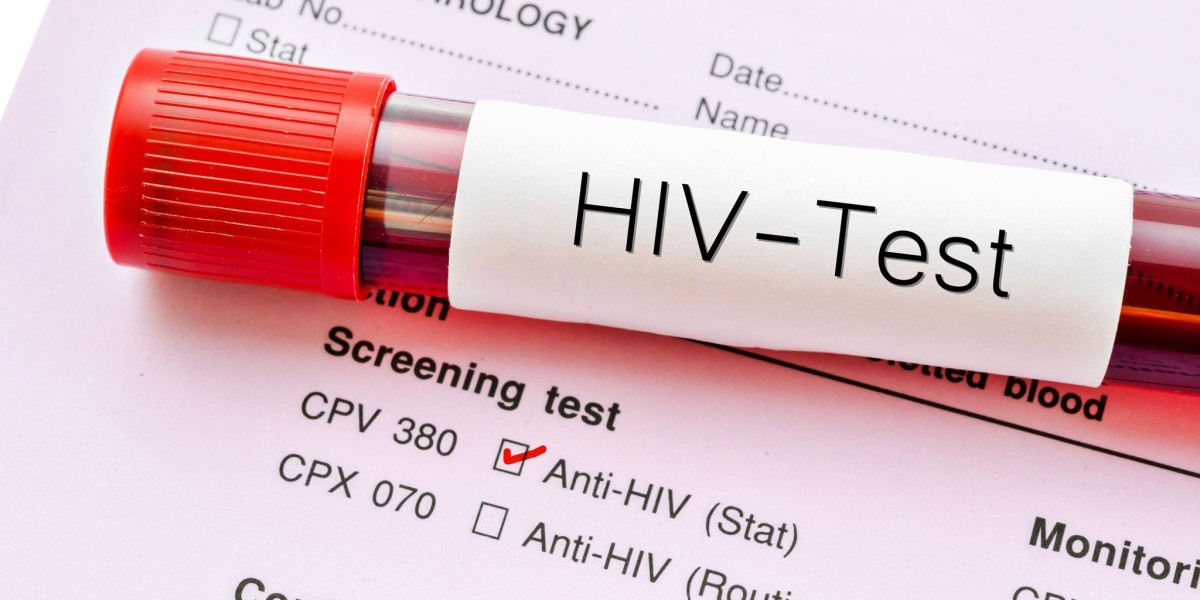
Early detection of HIV is a cornerstone of effective treatment, prevention, and long-term health management. Many people delay testing because they feel healthy or assume that symptoms will appear quickly, but HIV can remain silent for years while still affecting the immune system and increasing the risk of transmission. Understanding the importance of early detection, the role of timing, and how HIV tests can identify infection early empowers individuals to take proactive steps for their health.
Why Early Detection Matters?
Detecting HIV Test in Dubai early offers several critical benefits. Early diagnosis allows for immediate medical intervention, which slows disease progression and preserves immune function. It also reduces the likelihood of transmitting the virus to others and improves overall life expectancy.
Waiting until symptoms appear can result in delayed treatment, increased complications, and higher health risks. Early testing ensures better outcomes and a more manageable long-term health plan.
The Biology Behind HIV Detection:
HIV testing works by detecting either the virus itself, viral proteins, or antibodies produced by the immune system in response to infection. These markers appear at different times after exposure, which is why timing is crucial.
Viral RNA/Nucleic acid tests (NATs): Detect the virus within days of exposure
Antigen/antibody tests: Detect early viral proteins and antibodies within 2–6 weeks
Antibody-only tests: Reliable after several weeks, once the immune system has produced enough antibodies
Understanding these detection windows helps determine the earliest time an infection can be identified.
The Role of the Window Period:
The window period is the time between potential exposure and when a test can accurately detect HIV. Testing too early may result in false-negative results, even if the virus is present.
Choosing the right test type and timing ensures accurate detection. In some cases, repeat testing after the window period is recommended to confirm results. Awareness of the window period is essential for early detection and reliable diagnosis.
Signs That Prompt Immediate Testing:
Even though HIV can be asymptomatic, certain signs or situations may warrant immediate testing:
Recent unprotected sexual contact or exposure to infected blood
Diagnosis of another sexually transmitted infection
Symptoms of acute HIV infection, such as fever, fatigue, rash, or swollen lymph nodes
Prompt testing in these scenarios supports early detection and timely medical intervention.
How Early Detection Improves Treatment Outcomes:
When HIV is detected early, treatment options such as antiretroviral therapy (ART) can be started promptly. Early treatment:
Reduces viral load to undetectable levels
Preserves immune system function
Lowers the risk of opportunistic infections
Enhances long-term health and quality of life
Early detection transforms HIV from a potentially life-threatening disease into a manageable condition.
Preventing Transmission Through Early Detection:
Knowing your HIV status early allows you to take measures to prevent transmission to others. Individuals with an undetectable viral load due to treatment cannot sexually transmit the virus, a concept known as U=U (Undetectable = Untransmittable).
Early testing is therefore both a personal and public health tool, reducing community transmission and protecting sexual partners.
Routine HIV Testing as a Preventive Strategy:
Incorporating HIV testing into routine health checkups is a proactive approach to early detection. Health authorities recommend regular testing for sexually active individuals, people with multiple partners, and those with higher risk factors.
Routine testing helps normalize the process, reduces stigma, and ensures that early infections are not missed.
Choosing the Right HIV Test for Early Detection:
Different HIV tests offer varying timelines for early detection:
Nucleic acid tests (NATs): Best for very recent exposure
Antigen/antibody combination tests: Effective for early detection within weeks
Rapid tests: Useful for quick results, though confirmatory testing may be needed
Selecting the appropriate test based on risk and timing maximizes the chances of early diagnosis.
Overcoming Barriers to Early Testing:
Many people avoid testing due to fear, stigma, or misconceptions about HIV. Education, counseling, and access to confidential testing can reduce these barriers.
Knowing that early detection leads to better outcomes can motivate individuals to test proactively rather than waiting for symptoms.
Emotional and Psychological Benefits of Early Detection:
Early detection provides peace of mind and reduces the uncertainty that often accompanies potential HIV exposure. Knowing your status allows you to make informed choices about treatment, prevention, and lifestyle adjustments.
Support from healthcare providers and counseling services helps manage emotional stress and promotes mental well-being.
Integrating Early Detection Into Overall Health Care:
Early HIV Test should be part of a broader approach to health, including regular checkups, STD screening, and preventive care. Integrating HIV testing into routine healthcare ensures consistent monitoring and timely intervention.
This proactive strategy supports long-term health and reduces the risk of complications.
Final Thoughts on Early Detection Through HIV Testing:
Timing is critical in HIV testing. Early detection not only improves treatment outcomes but also reduces the risk of transmission and empowers individuals to take control of their health.
By understanding the importance of timing, choosing the right test, and testing regularly, you can ensure early diagnosis, better health management, and peace of mind. An HIV test is not just a medical procedure—it is a vital step toward protecting your future.