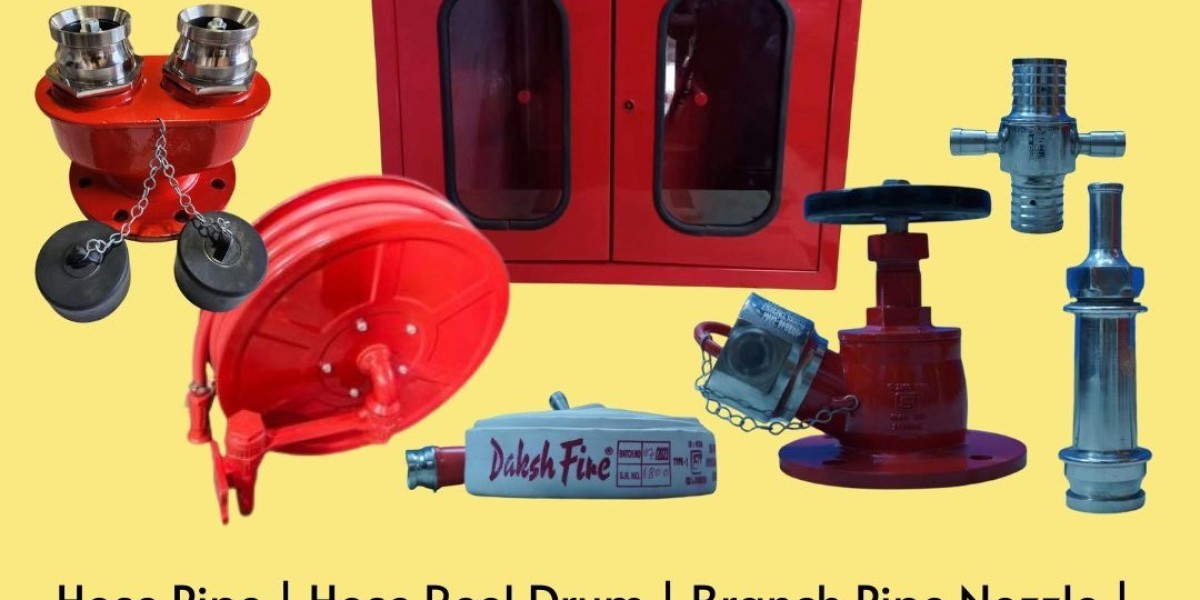
Fire incidents can occur unexpectedly and escalate rapidly, causing severe damage to life, property, and business operations. Whether in commercial buildings, industrial facilities, or residential complexes, having a robust firefighting system is critical. Among the most reliable and widely used fire protection solutions is the fire hydrant system.
A fire hydrant system is designed to deliver a continuous and high-pressure water supply to control and extinguish fires effectively. This blog explains why fire hydrant systems are essential, highlighting their functions, advantages, and safety benefits, and why they remain a cornerstone of modern fire safety planning.
What Is a Fire Hydrant System?
A fire hydrant system is a fixed firefighting installation consisting of fire pumps, water storage tanks, pipelines, landing valves, hoses, branch pipes, and hydrant outlets. It allows firefighters and trained personnel to access water quickly during emergencies.
Unlike automatic suppression systems, fire hydrant systems are manually operated, making them especially effective for tackling large-scale or fast-spreading fires.
Key Functions of a Fire Hydrant System
1. Continuous High-Pressure Water Supply
One of the primary functions of a fire hydrant system is to provide a reliable and uninterrupted water supply at sufficient pressure. Dedicated fire pumps ensure that water reaches even the highest or farthest points in a building.
This function is critical in:
✓ High-rise buildings
✓ Large commercial complexes
✓ Industrial plants and warehouses
2. Support for Firefighting Operations
Fire hydrant systems are designed to support both internal firefighting teams and external fire brigade services. Hydrant outlets and landing valves are positioned strategically to allow quick hose connections.
This ensures:
✓ Faster response time
✓ Better control over fire spread
✓ Improved coordination during emergencies
3. Control of Large and High-Risk Fires
Unlike sprinklers that focus on early fire suppression, fire hydrant systems are built to handle major fire incidents. They allow firefighters to direct water precisely where it is needed, making them suitable for high fire-load environments.
Advantages of Fire Hydrant Systems
1. Enhanced Firefighting Efficiency
The ability to deliver large volumes of water at high pressure significantly improves firefighting effectiveness. Multiple hoses can operate simultaneously, allowing faster fire control.
Advantage: Reduces fire escalation and limits damage.
2. Improved Life Safety
By controlling fire intensity, fire hydrant systems help create safer evacuation routes and support rescue operations.
Safety Benefit: Lower risk of injuries and fatalities during emergencies.
3. Protection of Property and Assets
Fires can destroy infrastructure, equipment, and inventory. A fire hydrant system helps minimize losses by containing the fire before it spreads.
Advantage: Protects valuable assets and ensures business continuity.
4. Compliance with Fire Safety Regulations
Fire hydrant systems are often mandatory under building codes and fire safety regulations. Installing a compliant system helps property owners meet legal requirements and obtain fire safety approvals.
Advantage: Avoids penalties, legal issues, and operational disruptions.
5. Versatility Across Building Types
Fire hydrant systems can be customized to suit various properties, including:
✓ Commercial buildings and offices
✓ Industrial facilities and factories
✓ Warehouses and logistics centers
✓ Residential complexes and townships
This adaptability makes them suitable for a wide range of fire risks.
Safety Benefits of Fire Hydrant Systems
1. Faster Emergency Response
Strategically placed hydrant points reduce the time required to access water during a fire emergency. This rapid response is crucial for preventing fire spread.
2. Reliable Performance During Power Failures
Fire hydrant systems are equipped with diesel fire pumps, ensuring continued operation even during power outages—an essential safety feature during emergencies.
3. Integration with Other Fire Safety Systems
Fire hydrant systems work effectively alongside:
✓ Fire alarm and detection systems
✓ Fire sprinkler systems
✓ Emergency control panels
This layered approach enhances overall fire protection and preparedness.
4. Long-Term Reliability
Constructed using durable materials and designed for high-pressure operation, fire hydrant systems offer long service life with proper maintenance.
Safety Benefit: Reliable performance when it matters most.
Importance of Regular Maintenance
Even the best fire hydrant system requires regular inspection and maintenance to remain effective. Routine checks ensure:
✓ Adequate water pressure
✓ Functional valves and hoses
✓ Proper pump operation
✓ Leak-free pipelines
Regular maintenance keeps the system emergency-ready and compliant with fire safety norms.
Conclusion
Fire hydrant systems play a critical role in modern fire protection by providing the power, flexibility, and reliability needed to combat serious fire emergencies. Their functions, advantages, and safety benefits make them essential for protecting lives, property, and business operations.
Investing in a professionally designed and well-maintained fire hydrant system is not just about meeting regulations—it is about being prepared for the unexpected and ensuring a safer environment for everyone.