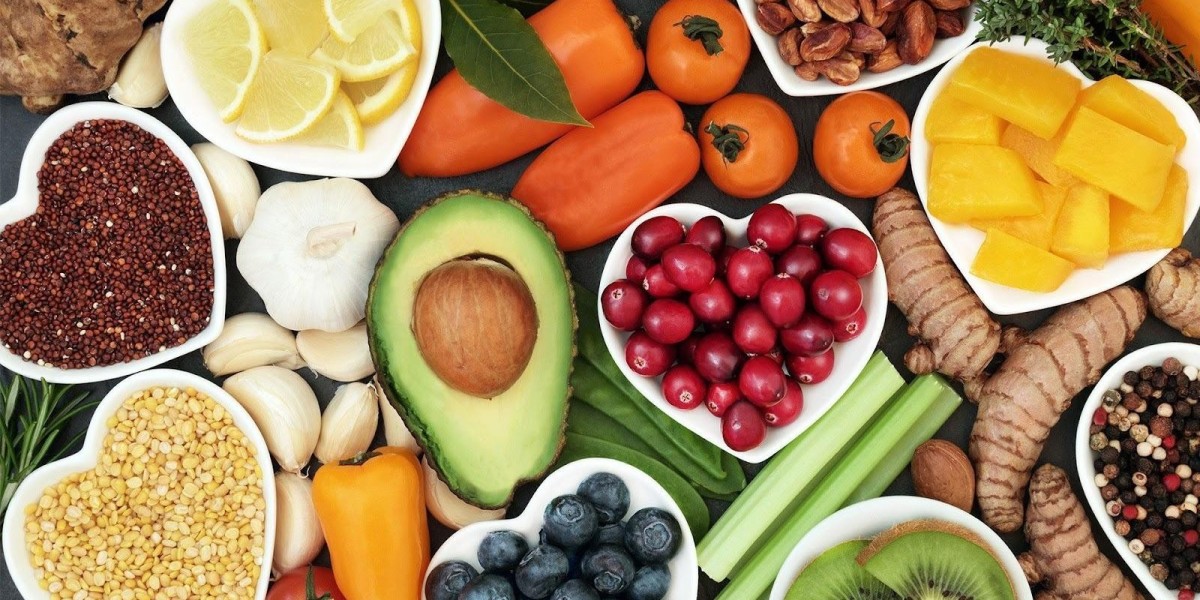
What Is Whole Plant Based Food? Benefits, Diet Plan & Tips is a question many people ask when looking for a healthier, more natural way to eat. Simply put, whole plant based food focuses on eating real foods that come from plants and are as close to their natural form as possible.
This way of eating isn’t about strict rules or perfection. Instead, it encourages better food choices that support long-term health, energy, and overall well-being.
Understanding Whole Plant Based Food
Simple Definition
Whole plant based food refers to foods that come from plants and are minimally processed. This includes vegetables, fruits, whole grains, legumes, nuts, and seeds. Highly processed foods, even if they are plant-based, are limited or avoided.
Core Principles of Whole Plant Based Eating
The main ideas are:
- Eat foods in their whole, natural form
- Make plants the center of every meal
- Avoid refined sugars, oils, and artificial additives
- Focus on nutrition, not calorie counting
These principles help people eat cleaner without feeling restricted.
Whole Plant Based Food vs Other Diets
Whole Plant Based vs Vegan
Vegan diets focus on avoiding animal products for ethical or environmental reasons. Whole plant based eating goes a step further by emphasizing food quality, not just ingredients. A vegan cookie is still vegan, but it may not be whole plant based.
Whole Plant Based vs Vegetarian
Vegetarian diets may include dairy and eggs. Whole plant based food focuses more on unprocessed plant foods and often limits or excludes animal products for health reasons.
Health Benefits of Whole Plant Based Food
Heart Health
Whole plant based foods are naturally high in fiber and antioxidants. These nutrients help lower bad cholesterol, support healthy blood pressure, and reduce the risk of heart disease.
Weight Management
Because whole plant foods are filling but lower in calories, many people lose weight naturally without strict dieting.
Digestive and Gut Health
Fiber feeds healthy gut bacteria, improving digestion, immunity, and nutrient absorption.
Disease Prevention
Research links whole plant based eating to a lower risk of type 2 diabetes, certain cancers, and chronic inflammation.
Foods Included in a Whole Plant Based Diet
Vegetables and Fruits
Leafy greens, berries, carrots, broccoli, apples, and bananas provide vitamins, minerals, and antioxidants.
Whole Grains
Brown rice, oats, quinoa, barley, and whole wheat offer long-lasting energy and fiber.
Legumes
Beans, lentils, chickpeas, and peas are rich in plant protein and iron.
Nuts and Seeds
Almonds, walnuts, chia seeds, and flaxseeds provide healthy fats and omega-3s.
Foods to Avoid or Limit
- Refined grains (white bread, pastries)
- Sugary drinks and sweets
- Highly processed vegan foods
- Excess oils and fried foods
Limiting these foods helps maximize the benefits of whole plant based food.
7-Day Whole Plant Based Diet Plan
Sample Daily Meal Structure
- Breakfast: Oatmeal with fruit and seeds
- Lunch: Lentil and vegetable bowl with brown rice
- Snack: Fresh fruit or nuts
- Dinner: Stir-fried vegetables with quinoa
Repeat this structure with different ingredients throughout the week for variety and balance.
Tips for Starting a Whole Plant Based Diet
- Start slow and add more plants each week
- Fill half your plate with vegetables
- Cook at home more often
- Keep healthy snacks ready
- Don’t aim for perfection—consistency matters
Common Mistakes to Avoid
- Relying on processed vegan foods
- Not eating enough calories
- Skipping protein-rich plant foods
- Ignoring vitamin B12 needs
Frequently Asked Questions (FAQs)
- Is whole plant based food suitable for beginners?
Yes, it’s one of the easiest healthy eating styles to start gradually. - Do I need supplements?
Vitamin B12 is commonly recommended. Others depend on individual needs. - Can kids eat whole plant based food?
Yes, when meals are balanced and varied. - Is whole plant based food expensive?
No. Beans, rice, and seasonal vegetables are very affordable. - Can I eat out on a whole plant based diet?
Yes. Choose vegetable-based meals with whole grains and legumes. - How fast will I see results?
Many people notice better digestion and energy within a few weeks.
Conclusion
Understanding What Is Whole Plant Based Food? Benefits, Diet Plan & Tips can help you take control of your health in a simple, sustainable way. By focusing on real, whole foods from plants, you support your body, improve energy levels, and reduce the risk of chronic disease—without extreme dieting.
Start small, stay consistent, and let whole plant based food work naturally for you.