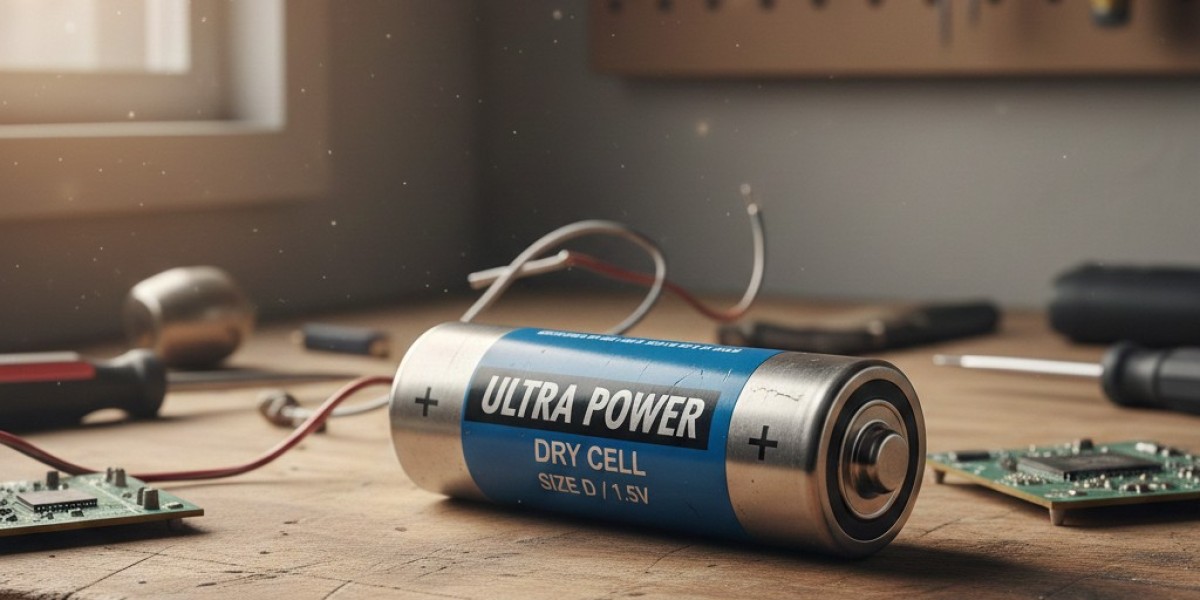
From powering your household devices to supporting solar systems, dry batteries are everywhere, quietly keeping our gadgets alive. But what exactly makes them so special? And why are they the go-to choice for millions of users worldwide? Let’s dive in.
What is a Dry Battery?
A dry battery is an energy storage device that converts chemical energy into electrical energy. Unlike wet batteries, it doesn’t contain free-flowing liquid electrolytes. Instead, it uses a paste or gel, which makes it safer, leak-resistant, and easier to handle.
In simple terms: it’s a compact, portable power source that you can rely on every day.
How Does a Dry Battery Work?
Every dry battery has three main parts:
- Anode (Negative Terminal): Releases electrons through chemical reactions.
- Cathode (Positive Terminal): Accepts electrons and completes the circuit.
- Electrolyte (Paste): Facilitates the flow of ions between the anode and cathode.
When connected to a device, electrons flow from the anode to the cathode through an external circuit, powering your gadgets efficiently.
Types of Dry Batteries
Dry batteries come in several types, each designed for specific uses:
- Alkaline Batteries
- Long-lasting, ideal for everyday devices like remote controls, clocks, and flashlights.
- Zinc-Carbon Batteries
- Economical and suitable for low-power devices.
- Lithium Dry Batteries
- High-energy density and great for devices needing long-term power, like cameras and medical equipment.
- Nickel-Cadmium (NiCd)
- Rechargeable and robust, widely used in power tools and electronics.
- Nickel-Metal Hydride (NiMH)
- Eco-friendly rechargeable option with higher capacity than NiCd.
Advantages of Using Dry Batteries
Dry batteries offer a range of benefits that make them a preferred choice:
- Portable and Lightweight: Easy to carry and store.
- Leak-Proof: Safer than wet batteries.
- Maintenance-Free: No need to refill electrolytes.
- Long Shelf Life: Can be stored for years without losing energy.
- Versatile: Powers everything from small gadgets to solar systems.
Common Applications of Dry Batteries
Dry batteries are everywhere. Some common applications include:
- Remote controls
- Flashlights and torches
- Toys and electronic gadgets
- Alarm systems
- Portable medical devices
- Solar home systems
- Emergency power backups
Their versatility makes them a cornerstone of modern energy solutions.
Dry Batteries vs. Wet Batteries
Feature | Dry Battery | Wet Battery |
Electrolyte | Paste/gel | Liquid |
Leakage Risk | Low | High |
Maintenance | Low | High |
Portability | High | Low |
Safety | Safer | Risk of spills |
Applications | Gadgets, solar, small devices | Vehicles, industrial applications |
Dry batteries are clearly safer, cleaner, and more practical for everyday use.
How to Choose the Right Dry Battery
Choosing the right battery depends on your device and energy needs:
- Check Voltage Requirements: Devices specify the voltage; match it with your battery.
- Consider Capacity: Higher mAh means longer-lasting power.
- Device Type: High-drain devices need lithium or NiMH batteries.
- Rechargeable or Single-Use: For frequent use, opt for rechargeable batteries to save cost.
Tips for Maintaining Your Dry Battery
Even though dry batteries are low maintenance, these tips will extend their life:
- Store in a cool, dry place.
- Remove batteries from devices if unused for long periods.
- Avoid mixing old and new batteries.
- Use the right charger for rechargeable types.
- Keep terminals clean and free from corrosion.
Environmental Impact and Recycling
Dry batteries, especially disposable ones, can impact the environment if not properly recycled.
- Recycling: Always dispose of batteries at designated recycling centers.
- Eco-Friendly Options: Consider NiMH or lithium rechargeable batteries to reduce waste.
- Safe Handling: Avoid burning or crushing batteries to prevent toxic chemical release.
By adopting these practices, you can use dry batteries responsibly without harming the planet.
Dry Battery in Solar Systems
Dry batteries play a crucial role in solar energy storage:
- Store electricity generated during the day for nighttime use.
- Provide backup power during outages.
- Lightweight and easy to install compared to traditional lead-acid batteries.
- Require minimal maintenance, perfect for residential and small commercial solar setups.
At solarapp.pk, we recommend high-quality dry batteries for solar applications to ensure efficiency and longevity.
Common Myths About Dry Batteries
- Myth: Dry batteries run out quickly.
- Fact: High-quality dry batteries last longer than many expect, especially alkaline and lithium types.
- Myth: Rechargeable batteries are inferior.
- Fact: Modern NiMH and lithium rechargeable batteries outperform many single-use types.
- Myth: Dry batteries are dangerous.
- Fact: Dry batteries are safer than wet batteries, leak-resistant, and ideal for home use.
Conclusion
Dry batteries are more than just a simple power source—they are an integral part of our daily lives, powering devices, solar systems, and emergency backups. Choosing the right dry battery, maintaining it properly, and using it responsibly can make a significant difference in energy efficiency, safety, and environmental sustainability.
At solarapp.pk, we provide high-quality dry batteries that combine durability, performance, and safety. Whether for everyday gadgets or solar applications, our batteries are designed to power your world without compromise.
FAQs
Q1: What is the main difference between dry and wet batteries?
A: Dry batteries use a paste or gel electrolyte, making them safer and portable. Wet batteries use liquid electrolytes, making them prone to leaks.
Q2: Can dry batteries be recharged?
A: Some types, like NiMH and NiCd, are rechargeable. Standard alkaline dry batteries are typically single-use.
Q3: How long do dry batteries last?
A: Depending on the type and usage, dry batteries can last from a few months to several years. Lithium batteries have the longest life.
Q4: Are dry batteries safe for solar systems?
A: Yes, dry batteries are safe, efficient, and low-maintenance for solar energy storage.
Q5: How should I dispose of dry batteries?
A: Always recycle at designated battery recycling centers and avoid throwing them in regular trash.