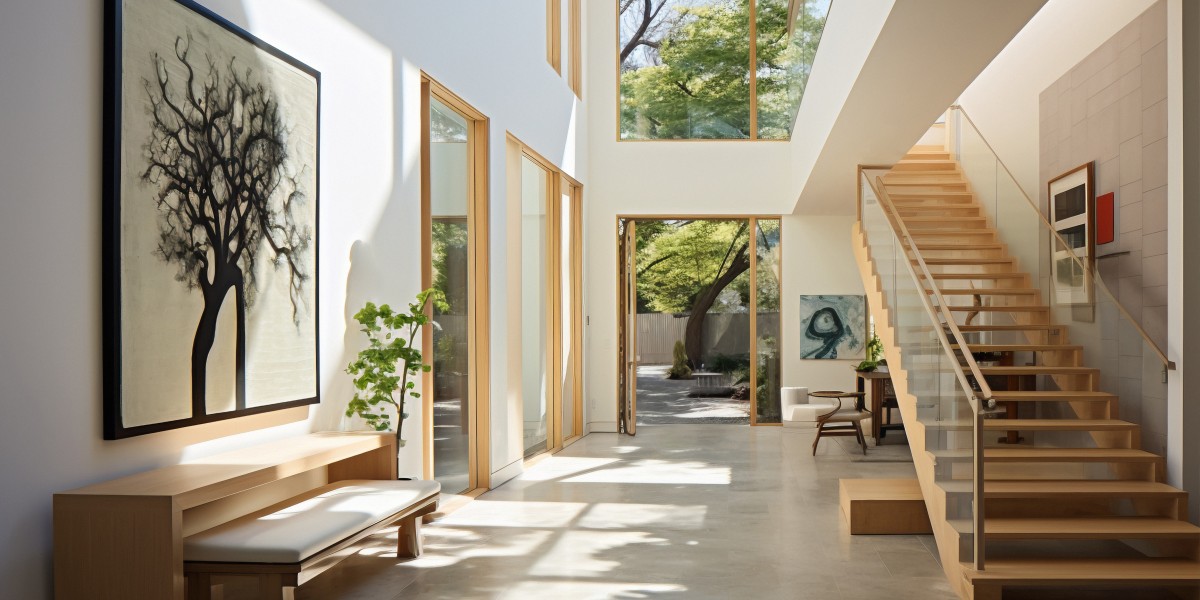
Perth's construction landscape is experiencing a transformative shift as modular and prefabricated carpentry solutions gain unprecedented traction across residential, commercial, and industrial sectors. With Australia's prefabricated construction market expected to reach approximately $12 billion by 2030, this innovative building method is reshaping how Western Australians approach construction projects. From addressing housing shortages to delivering cost-effective solutions, prefabricated carpentry is proving to be more than just a trend—it's becoming the future of building in Perth.
Understanding Modular and Prefabricated Carpentry
Modular and prefabricated carpentry involves constructing building components in controlled factory environments before transporting them to construction sites for assembly. Unlike traditional on-site construction, this method allows for precise manufacturing of walls, floors, roof structures, and interior modules in weather-protected facilities. The modules for projects are developed at factories in Perth and transported to sites, ensuring consistent quality and faster project completion.
This construction approach has evolved significantly from its early iterations. Today's prefabricated solutions incorporate advanced engineering, sustainable materials, and customizable designs that rival traditional construction in both aesthetics and functionality. The method encompasses various techniques including panelized construction, volumetric modular building, and hybrid systems that combine multiple approaches.
Why Perth Is Embracing This Construction Revolution
Addressing the Housing Crisis
To tackle the housing crisis, Australia has agreed to build 1.2 million new homes over the next five years, and modular construction is positioned as a key solution. Perth's growing population and housing demand make rapid construction methods essential. Prefabricated carpentry can reduce build times from twelve months to just twelve weeks, enabling builders to meet urgent housing needs without compromising quality.
The Western Australian government revealed that over 200 prefabricated homes were being built as part of a $2.4 billion plan to address homelessness and housing shortages. This government backing demonstrates confidence in modular solutions as viable alternatives to traditional building methods.
Cost Efficiency and Budget Predictability
Modular homes in Perth are typically 10-25% cheaper than traditional builds, with factory production lowering labour, material, and delay costs. The controlled manufacturing environment allows for bulk purchasing of materials, reducing overall expenses. Additionally, fewer workers are required for building houses at the site, which reduces operational costs.
Experienced Perth Carpenters understand that prefabricated construction minimizes budget overruns through predictable pricing models. With most work completed off-site, projects face fewer weather-related delays and scheduling conflicts, ensuring builders can provide accurate cost estimates from the outset.
Weather-Independent Construction
Perth's climate, while generally favorable, can still present challenges for traditional construction schedules. Factory production reduces the possibility of work slowdowns like bad weather or rain, which is particularly helpful in areas where weather conditions fluctuate. This weather independence allows for year-round construction activity, maintaining consistent project timelines regardless of seasonal variations.
Indoor carpentry experts can work in optimal conditions within manufacturing facilities, ensuring precision and quality that might be compromised by outdoor elements. This controlled environment translates to superior craftsmanship and fewer defects in the final product.
Key Benefits for Perth Homeowners and Builders
Faster Project Completion
Time savings represent one of the most compelling advantages of modular carpentry. Generally, manufacturers can produce a single dwelling in 1-2 days and assemble onsite in 1-3 days depending on size. This rapid turnaround enables homeowners to move into their properties months earlier than with traditional construction methods.
For builders and developers, accelerated timelines mean improved cash flow and the ability to take on multiple projects simultaneously. The efficiency gains extend beyond residential construction to commercial and industrial applications, where minimizing downtime is critical.
Superior Quality Control
Factory-based construction environments facilitate rigorous quality control measures that surpass typical on-site inspection capabilities. Precision-engineered timber panel components result in fewer errors and smoother assembly processes. Each module undergoes thorough testing before leaving the manufacturing facility, ensuring structural integrity and compliance with Australian building standards.
This level of quality assurance particularly benefits outdoor carpentry services Perth, where durability against Perth's sun exposure and occasional weather extremes is paramount. Prefabricated outdoor structures, decking, and carports receive the same meticulous attention to detail as interior components.
Sustainability and Reduced Waste
There is less waste material released as each component is measured and cut precisely. Prefabricated construction generates significantly less construction waste compared to traditional methods, with recycling and material optimization built into the manufacturing process. Leftover materials from one project can often be repurposed for another, creating a circular economy within production facilities.
Environmental responsibility extends to energy efficiency as well. Modern prefabricated homes often incorporate superior insulation, energy-efficient windows, and sustainable materials that reduce long-term environmental impact and utility costs for homeowners.
Design Flexibility and Customization
Contrary to outdated perceptions, modern designs are stylish, practical, and can be fully tailored to suit different preferences and land sizes. Perth homeowners can choose from a wide range of layouts, finishes, and architectural features, from cozy single-story homes to spacious two-story residences with open-plan living and integrated outdoor spaces.
Prefabricated solutions accommodate unusual block sizes and challenging terrains, making them ideal for Perth's diverse suburban landscape. This adaptability allows property owners to maximize their land's potential without the limitations often associated with traditional construction methods.
Practical Applications in Perth's Market
Residential Construction
The residential sector has embraced modular carpentry enthusiastically, with applications ranging from primary residences to granny flats and second-story additions. Convenience and quality of modular construction for two-story additions make it difficult to justify standard on-site builds when modular options are available, with on-site work taking six weeks versus six months for traditional methods.
Homeowners appreciate the reduced disruption to their daily lives, as most construction noise and activity occurs off-site. Families can continue living comfortably while their homes are being upgraded or extended, a significant advantage over traditional renovation approaches.
Commercial and Industrial Projects
Prefabricated data centers are gaining increasing traction in the Australian market, with Perth-based manufacturers supplying modules for mining operations and technology infrastructure. The commercial sector benefits from modular construction's ability to scale rapidly while maintaining strict quality standards.
Industrial applications include temporary site offices, mining camp accommodations, and warehouse structures. The ability to relocate or repurpose modular buildings provides flexibility that permanent structures cannot match, offering businesses adaptable solutions as their needs evolve.
Overcoming Common Misconceptions
Financing and Loan Approval
Most lenders in Perth offer construction or home loans for modular builds, with homes on titled land with licensed builders qualifying for financing, grants, and mortgage options. Financial institutions recognize modular construction as legitimate building methods, treating them equivalently to traditional builds for lending purposes.
Building Standards and Compliance
Modular homes must meet the same Australian Standards and local codes as site-built homes, passing identical inspections. In some cases, modular builds require following specific standards because they are built in a controlled environment, which often results in superior compliance rather than compromised quality.
Long-Term Durability
Prefabricated structures are engineered for longevity, with robust steel frames and high-quality materials designed to withstand Perth's climate conditions. Factory construction allows for more precise assembly and superior weatherproofing compared to structures assembled entirely outdoors.
The Future of Modular Carpentry in Perth
Prefabrication, or modular construction, is experiencing significant growth in Australia, driven by factors like labour shortages, housing demand, and the potential for faster, more efficient construction. The industry continues evolving with technological advancements including Building Information Modeling (BIM), 3D printing for custom components, and IoT-enabled smart building systems.
Perth's construction sector is well-positioned to capitalize on these innovations. With government support, increasing industry expertise, and growing consumer acceptance, modular and prefabricated carpentry will likely dominate significant portions of the residential and commercial construction markets within the next decade.
Making the Switch to Modular Construction
For homeowners and developers considering prefabricated solutions, partnering with experienced professionals is essential. The technical proficiency required for modular construction demands expertise across design, engineering, manufacturing, and on-site installation. Whether you're planning a new build, home extension, or commercial project, working with qualified specialists ensures optimal results.
The transition to modular carpentry represents more than adopting a new construction method—it's embracing a more efficient, sustainable, and cost-effective approach to building. As Perth continues growing and evolving, prefabricated solutions offer the speed and scalability needed to meet the city's construction demands while maintaining the quality standards West Australians expect.
Conclusion
The rise of modular and prefabricated carpentry in Perth's construction industry reflects a fundamental shift toward smarter, more efficient building practices. With substantial cost savings, dramatically reduced construction timelines, superior quality control, and enhanced sustainability, this innovative approach addresses many challenges facing traditional construction methods.
As housing demands intensify and sustainability becomes increasingly important, prefabricated carpentry positions Perth at the forefront of Australia's construction evolution. Whether you're a homeowner seeking to build your dream home, a developer managing multiple projects, or a business requiring commercial structures, modular solutions offer compelling advantages worth serious consideration.
Ready to explore how modular and prefabricated carpentry can transform your next construction project? Connect with experienced carpentry professionals who specialize in innovative building solutions tailored to Perth's unique requirements and discover how this revolutionary approach can bring your vision to life faster and more affordably than you imagined.