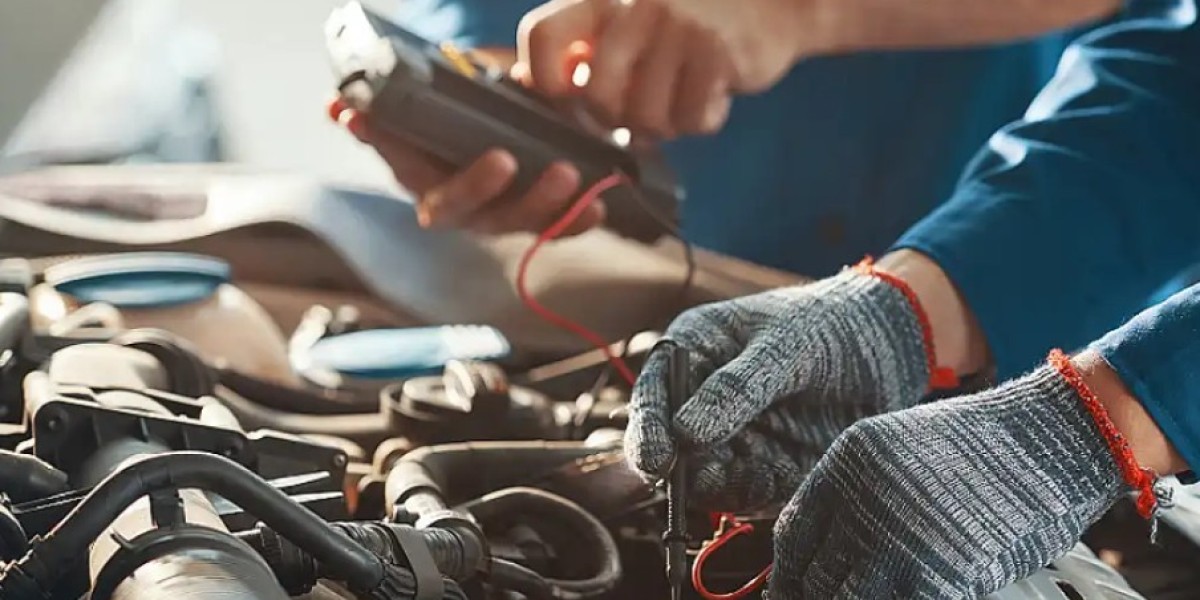
Starting out as a trainee car mechanic is both exciting and challenging. One of the first questions new entrants to the automotive industry ask is which tools they should invest in before stepping into a workshop. With so many options available, it can be tempting to buy everything at once, but this is rarely practical or necessary. The smartest approach is to build a reliable tool kit gradually, focusing first on essential items that support learning, safety, and everyday mechanical tasks.
Choosing the right tools early on not only improves confidence but also helps trainees develop good working habits from the beginning. Those enrolled in structured learning such as the Car Mechanic Course often find that having the correct basic tools makes practical sessions more productive and less stressful.
Basic Hand Tools for Everyday Mechanical Work
The foundation of any trainee mechanic’s toolkit is a solid set of basic hand tools. These include combination spanners, socket sets, ratchets, screwdrivers, and pliers. A good socket set with both metric and imperial sizes is especially important, as vehicles often use a mix of fasteners depending on make and model. Screwdrivers should include flat-head and Phillips types in multiple sizes to handle trim removal and general tasks.
Pliers such as needle-nose, adjustable, and locking pliers are used frequently for gripping, bending, and holding components in place. Quality matters at this stage; well-made tools last longer and reduce the risk of slipping or rounding bolts. For trainees, investing in dependable hand tools ensures they can complete most routine workshop tasks confidently and safely.
Torque Wrenches and Precision Measuring Tools
As trainees progress, accuracy becomes increasingly important. Torque wrenches are essential tools that help mechanics tighten bolts and fasteners to manufacturer specifications. Incorrect torque can lead to component failure, safety issues, or costly repairs. While a torque wrench may seem advanced, it is a worthwhile early investment that reinforces good professional habits.
Precision measuring tools such as feeler gauges, vernier calipers, and tyre pressure gauges are also valuable additions. These tools help trainees understand tolerances and measurements, which are critical in engine work, brake servicing, and suspension repairs. Training programmes like the Car Mechanic Classes often emphasize precision and accuracy, making these tools an important part of a trainee’s development.
Diagnostic Tools for Modern Vehicles
Modern vehicles rely heavily on electronic systems, making basic diagnostic tools increasingly important for trainees. An entry-level OBD-II scanner allows mechanics to read fault codes, monitor sensor data, and identify potential issues. While professional-grade diagnostic equipment is expensive, basic scanners are affordable and extremely useful for learning how vehicle systems communicate faults.
Using diagnostic tools helps trainees develop problem-solving skills and understand how mechanical and electronic components interact. This knowledge is essential in today’s automotive industry, where mechanical ability must be combined with digital literacy. Having early exposure to diagnostics gives trainees a strong advantage as they progress in their training and careers.
Safety Equipment and Workshop Essentials
Safety should always be a priority, especially for trainees working in busy workshop environments. Essential safety equipment includes protective gloves, safety glasses, steel-toe boots, and overalls. These items protect against cuts, burns, chemicals, and heavy components, reducing the risk of injury during practical work.
Workshop essentials such as a tool chest, magnetic trays, and work lights also make a significant difference. A tool chest helps keep equipment organised and prevents loss or damage, while magnetic trays stop small bolts from rolling away. Good lighting improves visibility and reduces mistakes. Trainees enrolled in the Car Mechanic Course quickly learn that an organised and safe workspace supports efficiency and professionalism.
Specialised Tools to Buy Later
While it is tempting to invest in specialised tools early, most trainees do not need them straight away. Items such as impact wrenches, brake bleeding kits, or engine timing tools are often provided in training workshops or shared environments. As trainees gain experience and identify their preferred specialisms, they can gradually invest in these tools.
Buying specialised tools later also allows trainees to make informed decisions based on real-world needs rather than assumptions. This approach saves money and ensures that each purchase adds genuine value to the toolkit. Over time, a carefully chosen collection of tools reflects both skill level and career direction.
Budgeting and Building a Toolkit Over Time
Budget management is an important consideration for trainee mechanics. Tools can be expensive, and buying everything at once is rarely practical. A phased approach, starting with essentials and adding tools as skills develop, is more sustainable. Many trainees choose mid-range brands that balance quality and affordability.
Some training providers and employers offer tool discounts or starter kits, which can reduce initial costs. Those studying through the Car Mechanic Course may also receive guidance on recommended tools, helping them avoid unnecessary purchases. Building a toolkit over time encourages responsibility and ensures each tool is used regularly and effectively.
Developing Professional Habits Through Tool Ownership
Owning and maintaining personal tools helps trainees develop professional habits that will benefit them throughout their careers. Cleaning tools after use, storing them correctly, and replacing worn items demonstrates pride in workmanship and attention to detail. These habits are often noticed by supervisors and can positively influence career progression.
Tool ownership also builds confidence. When trainees know they have the right equipment, they can focus fully on learning and problem-solving rather than borrowing or improvising. Over time, a well-maintained toolkit becomes a symbol of professional identity and readiness for the automotive industry.
Conclusion: Starting Smart Sets the Foundation for Success
Knowing which tools to buy first is a crucial step for any trainee car mechanic. By focusing on essential hand tools, basic diagnostics, safety equipment, and precision instruments, trainees can build a strong foundation without unnecessary expense. A gradual, thoughtful approach to tool purchasing supports skill development and financial stability.