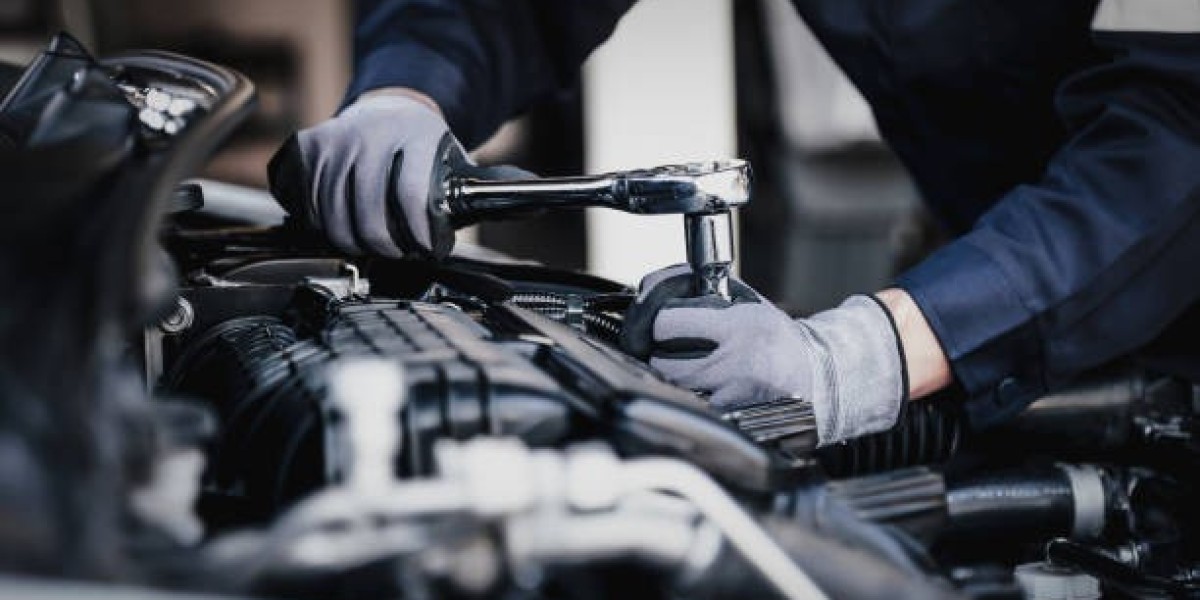
Power steering is one of those systems drivers rely on every day without giving it much thought—until something feels wrong. When the steering wheel becomes stiff, noisy, or inconsistent, old or contaminated power steering fluid is often the cause. Flushing the power steering fluid is a maintenance task that helps restore smooth steering and protects vital components such as the pump, hoses, and steering rack. While many car owners overlook this service, understanding the correct flushing procedure is essential for vehicle longevity. Whether you are a DIY enthusiast or someone exploring professional automotive skills, knowing how this process works builds a strong foundation in practical vehicle maintenance.
Understanding the Role of Power Steering Fluid
Power steering fluid plays a crucial role in making steering light, responsive, and quiet. It acts as a hydraulic medium that transfers force from the steering wheel to the steering mechanism, while also lubricating internal components. Over time, heat, moisture, and metal particles contaminate the fluid, reducing its effectiveness. Old fluid can cause whining noises, erratic steering response, and premature wear of seals and pumps. Many vehicle manufacturers do not specify a strict replacement interval, which leads drivers to ignore the fluid entirely. However, experienced technicians know that regular fluid flushing can prevent expensive repairs. Learning this principle is a core concept taught in any car mechanic course, as it highlights how preventative maintenance directly impacts vehicle reliability.
Tools and Preparation Before Flushing
Before starting a power steering fluid flush, proper preparation is essential. The process requires basic tools such as a fluid transfer pump or turkey baster, a drain pan, new manufacturer-approved power steering fluid, jack stands, safety gloves, and rags. Identifying the correct fluid type is critical, as using the wrong fluid can damage seals and hoses. The vehicle should be parked on a level surface with the engine off and cool. Lifting the front wheels off the ground helps reduce steering resistance during the flush. Professionals are trained to inspect hoses and connections before flushing, as leaks or cracked lines can worsen once fresh fluid is introduced. This careful preparation reflects the disciplined approach expected from a skilled car mechanic Classes and ensures the procedure is both safe and effective.
Step-by-Step Power Steering Fluid Flushing Process
The flushing process begins by removing as much old fluid as possible from the reservoir using a suction tool. Once drained, fresh fluid is added to the reservoir. The return hose from the power steering system is then disconnected and directed into a drain pan. With the front wheels raised, the engine is briefly started while turning the steering wheel from lock to lock. This action pushes old fluid out through the return line. As the fluid drains, new fluid is continuously added to prevent air from entering the system. The process continues until clean fluid flows from the hose. Once complete, the hose is reconnected, fluid levels are topped off, and the system is checked for leaks. This method ensures a thorough flush rather than a partial fluid replacement.
Common Mistakes to Avoid During a Flush
One of the most common mistakes during a power steering flush is allowing the reservoir to run dry. Introducing air into the system can cause foaming, noise, and erratic steering behavior. Another frequent error is using incorrect fluid types, assuming all power steering fluids are the same. Over-tightening hose clamps or ignoring worn hoses can also lead to leaks after the flush. Some DIYers rush the process, failing to cycle enough fluid through the system to remove contaminants fully. Professional training emphasizes patience, precision, and attention to detail. These principles are central to automotive education and are consistently reinforced in structured learning environments where proper procedure matters more than speed.
Post-Flush Checks and System Testing
After completing the flush, post-service checks are just as important as the procedure itself. The engine should be started and allowed to idle while the steering wheel is turned slowly from side to side. This helps purge any remaining air from the system. Fluid levels should be checked again once the engine reaches operating temperature, as levels can change. Listening for abnormal noises and observing steering response confirms whether the flush was successful. A short test drive further verifies smooth operation. Professional mechanics document these checks to ensure quality control. This systematic approach highlights why hands-on training is vital for anyone serious about vehicle maintenance or pursuing a career in automotive repair.
Why Learning This Procedure Matters for Aspiring Mechanics
Understanding how to flush power steering fluid goes beyond a single maintenance task—it represents a broader skill set in diagnosing, servicing, and maintaining vehicle systems. Aspiring mechanics benefit from mastering such procedures because they build confidence and technical accuracy. These skills are foundational and transferable across many automotive repairs. Structured education through a car mechanic course teaches not only how tasks are performed, but why they matter.