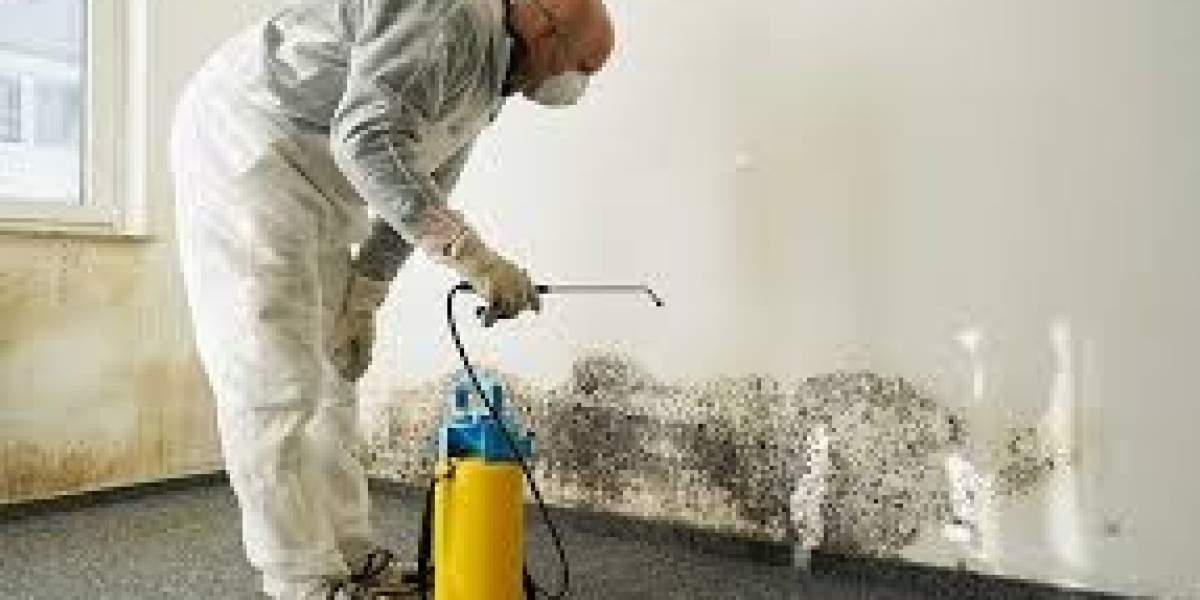
Mold removal is more than an unsightly problem—it can threaten your health, damage your property, and spread rapidly if left untreated. Whether you’re a homeowner, property manager, or business owner, understanding mold removal is essential to maintaining a safe and healthy environment. This comprehensive guide covers everything you need to know about mold, from identification and health risks to professional removal and long-term prevention.
What Is Mold and Why Is It a Problem?
Mold is a type of fungus that grows in damp, humid conditions. It reproduces by releasing microscopic spores into the air, which can settle and grow on surfaces such as walls, ceilings, wood, carpets, and insulation.
Common causes of mold growth include:
Water leaks or flooding
High indoor humidity
Poor ventilation
Condensation on windows and walls
Once mold begins to grow, it can spread quickly—often behind walls or under flooring—making early detection critical.
Health Risks Associated with Mold Exposure
Mold exposure can affect people differently depending on sensitivity, exposure level, and overall health. Common symptoms include:
Nasal congestion and coughing
Eye, skin, or throat irritation
Headaches and fatigue
Asthma attacks or difficulty breathing
Individuals at higher risk include children, the elderly, people with allergies, asthma, or compromised immune systems. Prolonged exposure to toxic molds, such as Stachybotrys chartarum (black mold), may cause more serious health complications.
How to Identify Mold in Your Home or Building
Mold is not always visible. While some infestations appear as black, green, or white patches, others remain hidden.
Signs of mold include:
Musty or earthy odors
Discoloration on walls or ceilings
Peeling paint or warped surfaces
Recent water damage or leaks
Increased allergy-like symptoms indoors
If mold is suspected but not visible, professional mold inspection and air quality testing may be necessary.
DIY Mold Removal: When Is It Safe?
Small mold problems—typically less than 10 square feet—can sometimes be handled safely without professional help.
Steps for Minor Mold Removal:
Wear protective gear (gloves, goggles, N95 mask)
Ventilate the area
Use mold-killing solutions (vinegar, hydrogen peroxide, or commercial cleaners)
Scrub non-porous surfaces thoroughly
Dry the area completely
Important: Never mix cleaning chemicals, and never attempt to clean mold if it covers large areas or involves HVAC systems.
Professional Mold Removal: What to Expect
Professional mold remediation is recommended when:
Mold covers large areas
Mold keeps returning
There is extensive water damage
Mold is inside walls, ceilings, or air ducts
The Professional Mold Removal Process:
Inspection and assessment
Containment to prevent spore spread
Air filtration using HEPA systems
Removal of contaminated materials
Deep cleaning and disinfection
Restoration and repairs
Professionals follow strict safety standards to ensure complete and safe removal.
Preventing Mold Growth Long-Term
Mold prevention is just as important as mold removal.
Effective Prevention Strategies:
Fix leaks immediately
Maintain indoor humidity below 50%
Use exhaust fans in bathrooms and kitchens
Ensure proper ventilation
Clean and dry water-damaged areas within 24–48 hours
Use dehumidifiers in damp spaces
Regular inspections and proactive maintenance significantly reduce the risk of mold recurrence.
Mold Removal Costs
The cost of mold removal varies depending on severity, location, and size of the affected area. Small jobs may cost a few hundred dollars, while extensive remediation can reach several thousand.
Factors influencing cost include:
Size of infestation
Type of mold
Accessibility of affected areas
Required repairs after removal
While professional services may seem costly, they can prevent far greater expenses related to health issues and structural damage.
Final Thoughts
Mold removal is not just about cleaning visible stains—it’s about addressing moisture issues, protecting health, and preserving property value. Acting quickly, understanding when to seek professional help, and implementing preventive measures are the keys to effective mold control.
If you suspect mold in your home or workplace, don’t ignore the signs. Early action can save time, money, and health.