Introduction
In today’s competitive Indian market, product quality and safety are more important than ever. To ensure that products meet Indian quality standards, the Government of India has made BIS Certification mandatory for many products. If you are a manufacturer, importer, or business owner, understanding what is BIS Certificate and the BIS certification process in India is very important for smooth market entry and legal compliance.
This blog explains everything in simple language – from the meaning of BIS Certification to its process, benefits, and common challenges.
What is BIS Certification?
BIS Certification is a conformity assessment issued by the Bureau of Indian Standards (BIS). BIS is India’s national standards body that ensures products meet safety, quality, and performance standards before they are sold in the Indian market.
In simple words, a BIS Certificate proves that a product follows Indian Standards (IS) and is safe for consumers. Without BIS Certification, many products cannot be legally manufactured, imported, or sold in India.
What is BIS Certificate Meaning?
The BIS Certificate meaning refers to official approval granted by BIS after testing and verification of a product. It confirms that:
- The product meets Indian quality standards
- Manufacturing follows approved processes
- The product is safe, reliable, and compliant
Once approved, the manufacturer can use the ISI Mark (for domestic products) or registration number (for electronic & IT products).
Why is BIS Certification Important in India?
BIS Certification plays a crucial role in maintaining product quality and consumer safety. Here’s why it matters:
1. Legal Requirement
Many products like electronics, cement, steel, toys, and appliances require mandatory BIS Certification.
2. Consumer Trust
Customers trust BIS-certified products because they meet national safety standards.
3. Market Access
Without BIS approval, products can be stopped at customs or banned from sale.
4. Brand Reputation
Certified products improve brand credibility and reduce legal risks.
Types of BIS Certification Schemes
Depending on the product and applicant type, BIS offers different certification schemes:
1. ISI Mark Scheme
For Indian manufacturers producing products under mandatory standards.
2. CRS (Compulsory Registration Scheme)
Mainly for electronics and IT products.
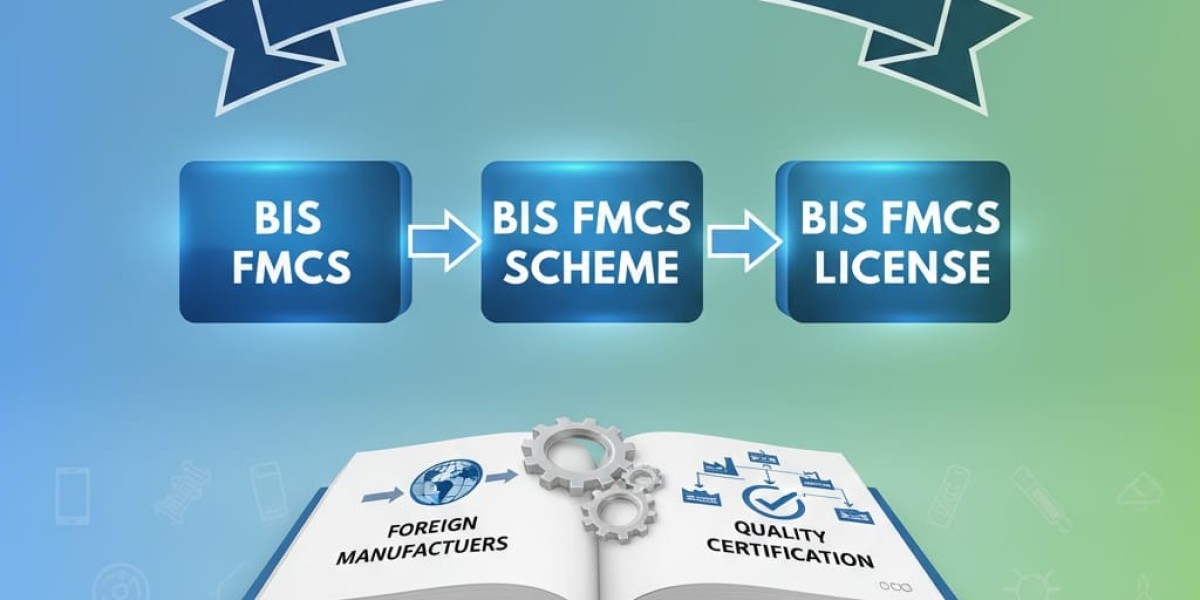
3. FMCS (Foreign Manufacturers Certification Scheme)
For foreign manufacturers exporting products to India.
Each scheme has its own documentation and inspection requirements.
BIS Certification Process in India (Step-by-Step)
The BIS certification process in India involves multiple stages. Below is a simplified explanation:
Step 1: Identify Applicable Standard
Check which Indian Standard (IS code) applies to your product.
Step 2: Product Testing
The product is tested in a BIS-recognized laboratory to verify compliance with Indian standards.
Step 3: Application Submission
Submit the BIS application along with required documents, test reports, and fees.
Step 4: Factory Inspection
BIS officials may inspect the manufacturing facility to ensure quality control systems are in place.
Step 5: Grant of BIS Certificate
Once all requirements are met, BIS issues the certificate or registration.
Step 6: Use of BIS Mark
After approval, manufacturers can use the ISI mark or registration number on products.
Documents Required for BIS Certification
Common documents include:
- Business registration proof
- Factory license
- Product test reports
- Quality control documents
- Authorization letter
- Manufacturing process details
Exact documents may vary depending on product category and scheme.
Cost of BIS Certification
The cost of BIS Certification depends on several factors such as:
- Product category
- Applicable scheme (ISI, CRS, FMCS)
- Testing charges
- Government fees
- Inspection charges
There is no fixed cost for all products. It varies based on complexity and compliance requirements.
Challenges in BIS Certification
Many businesses face difficulties during the BIS certification process in India, such as:
- Incorrect documentation
- Product test failure
- Delays in factory inspection
- Misunderstanding of applicable standards
Professional guidance can help reduce delays and avoid rejection.
Benefits of BIS Certification
Getting BIS certified offers long-term benefits:
- Legal compliance with Indian laws
- Increased consumer confidence
- Reduced product liability risks
- Better acceptance in Indian markets
- Competitive advantage over non-certified products
Who Needs BIS Certification?
BIS Certification is required for:
- Indian manufacturers
- Importers and traders
- Foreign manufacturers exporting to India
- Startups launching regulated products
If your product falls under mandatory BIS norms, certification is compulsory.
Conclusion
Understanding BIS Certification, what is BIS Certificate, and the BIS certification process in India is essential for anyone planning to sell products in India. It not only ensures legal compliance but also builds trust, quality assurance, and brand value.
Though the process may look complex, proper planning, correct documentation, and expert assistance can make it smooth and hassle-free.
About the Brand
For professional assistance with BIS Certification, BIS Registration, and compliance support, you can consult sunconsultants.co.in , a trusted name in certification and regulatory services.