Introduction
India is one of the fastest-growing markets in the world, attracting manufacturers from across the globe. However, to sell products in India, foreign manufacturers must comply with Indian quality and safety regulations. One of the most important regulatory approvals is BIS Certification for Foreign Manufacturer. This certification ensures that imported products meet Indian Standards and are safe for consumers.
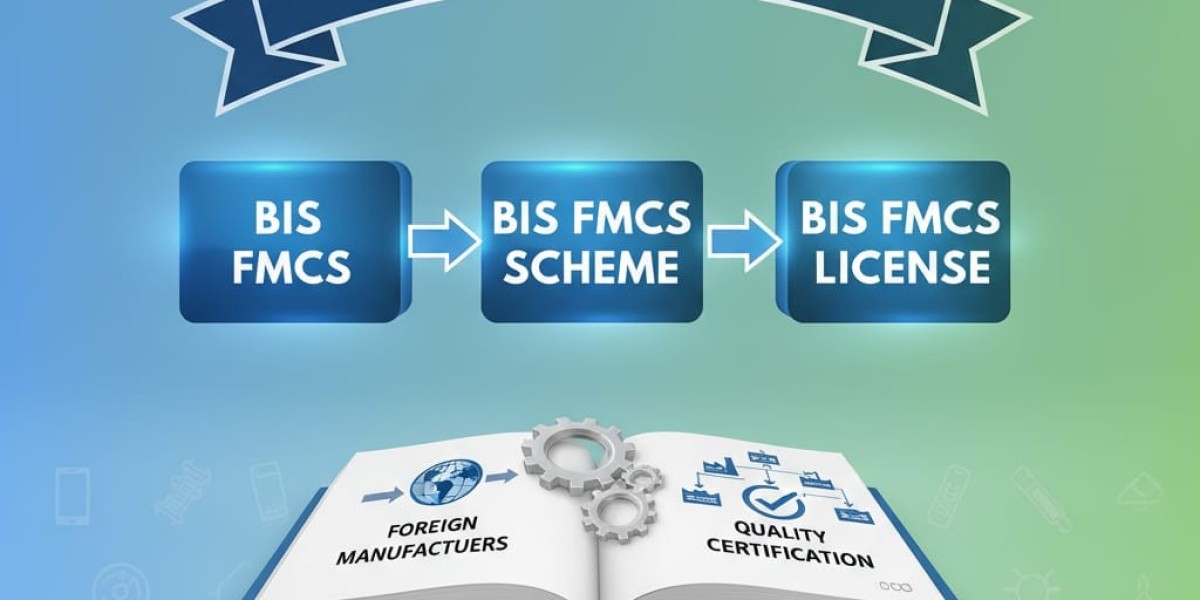
The Bureau of Indian Standards (BIS) regulates product quality in India, and for overseas manufacturers, BIS operates a special scheme known as BIS Registration for Foreign Manufacturer under the Foreign Manufacturers Certification Scheme (FMCS). This blog explains the complete process, requirements, benefits, and compliance obligations in detail.
What is BIS Certification for Foreign Manufacturer?
BIS Certification for Foreign Manufacturer is a mandatory approval required for overseas manufacturers who want to export regulated products to India. Under this certification, the foreign manufacturing unit is licensed to use the ISI Mark on products that comply with relevant Indian Standards.
This certification is granted directly to the foreign manufacturing facility, not to importers or traders. BIS conducts factory inspections abroad and tests product samples in BIS-recognized laboratories to ensure quality compliance.
What is BIS Registration for Foreign Manufacturer?
BIS Registration for Foreign Manufacturer refers to the complete licensing process under the FMCS (Foreign Manufacturers Certification Scheme). This scheme was introduced to bring foreign manufacturers under the same quality framework as Indian manufacturers.
Under FMCS:
- BIS officials inspect overseas factories
- Samples are tested as per Indian Standards
- Manufacturers are authorized to use the ISI Mark
- Continuous compliance and surveillance audits are conducted
Without BIS registration, foreign manufacturers cannot legally sell notified products in India.
Products Covered Under FMCS
Many products fall under mandatory BIS certification, including:
- Electrical appliances
- Electronic goods
- Cement and construction materials
- Automotive components
- Steel products
- Household items
- Industrial equipment
If a product is notified under BIS mandatory certification, foreign manufacturers must obtain BIS registration before exporting to India.
Eligibility for BIS Certification
To apply for BIS Certification for Foreign Manufacturer, the applicant must:
- Own or control the manufacturing unit
- Have complete manufacturing and testing facilities
- Ensure products conform to applicable Indian Standards
- Appoint an Authorized Indian Representative (AIR) in India
The AIR acts as a liaison between BIS and the foreign manufacturer for compliance and communication.
Documents Required
For BIS Registration for Foreign Manufacturer, the following documents are required:
- Application form (FMCS)
- Factory license or incorporation certificate
- Manufacturing process flowchart
- List of machinery and testing equipment
- Quality control and testing procedures
- Product technical specifications
- Test reports from BIS-recognized labs
- Authorization letter for AIR
- Trademark details (if applicable)
Proper documentation plays a critical role in avoiding delays or rejections.
BIS Registration Process for Foreign Manufacturer
The BIS certification process generally includes the following steps:
Step 1: Application Submission
The manufacturer submits the FMCS application along with required documents and fees.
Step 2: Factory Inspection
BIS officers visit the foreign manufacturing facility to verify:
- Production capability
- Quality control system
- In-house testing facilities
Step 3: Product Testing
Samples are drawn and tested in BIS-recognized laboratories as per Indian Standards.
Step 4: Grant of License
If inspection and testing are satisfactory, BIS grants the certification license.
Step 5: Use of ISI Mark
The manufacturer is allowed to affix the ISI Mark on certified products.
Validity and Renewal
BIS Certification for Foreign Manufacturer is generally granted for one to two years. The license must be renewed before expiry by:
- Submitting renewal application
- Paying renewal fees
- Maintaining compliance with standards
Failure to renew may result in suspension or cancellation of the license.
Benefits of BIS Certification
Obtaining BIS Registration for Foreign Manufacturer offers several advantages:
- Legal access to the Indian market
- Enhanced product credibility and trust
- Compliance with Indian safety standards
- Reduced risk of customs rejection
- Competitive advantage over uncertified products
BIS certification not only fulfills legal requirements but also strengthens brand reputation.
Common Challenges Faced by Foreign Manufacturers
Foreign manufacturers often face challenges such as:
- Understanding Indian standards
- Coordinating factory inspections
- Delays in testing and documentation
- Communication gaps with authorities
Professional guidance can significantly reduce approval time and compliance risks.
Conclusion
sunconsultants.co.in. is a mandatory and critical requirement for overseas companies planning to sell regulated products in India. Through the BIS Registration for Foreign Manufacturer under FMCS, BIS ensures that imported goods meet Indian quality and safety benchmarks.