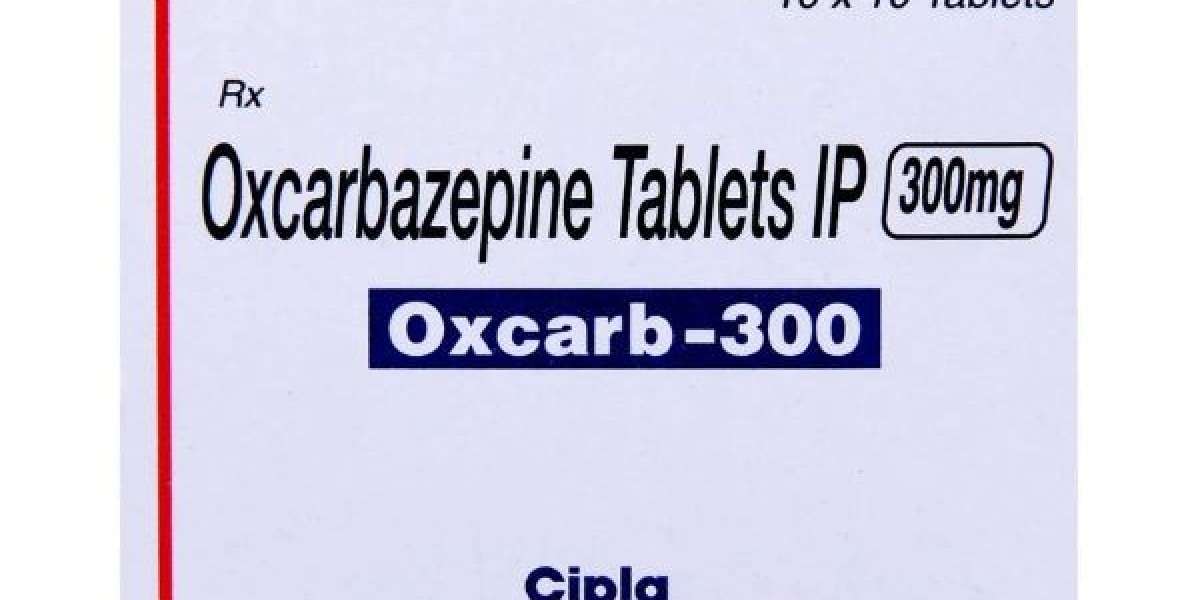
Oxcarb 300, which is also known as Oxcarbazepine 300 mg, is a widely prescribed antiepileptic medication used to manage seizure disorders—especially focal or partial seizures. This comprehensive guide is mainly targeted at readers in the United States who want to better understand how the medicine works, why doctors prescribe it, and what patients should keep in mind when taking it.
What Is Oxcarb 300?
Oxcarb 300 contains oxcarbazepine, an anticonvulsant drug used to help stabilize abnormal electrical activity in the brain. When brain cells become overly excited or misfire, seizures can occur. This medicine helps calm that overactivity, reducing the frequency and severity of seizures.
It belongs to a class of antiepileptic (AED) or anticonvulsant medications and is commonly used in:
Adults
Children
Long-term epilepsy management
It may be prescribed on its own (monotherapy) or in combination with other seizure-control medicines (adjunct therapy).
Who Typically Needs Oxcarb 300?
Doctors usually prescribe Oxcarb 300 for individuals diagnosed with:
Focal (Partial) Seizures
These begin in a specific part of the brain and may:
Stay localized
Spread to other areas
Cause impaired awareness
Oxcarb 300 is FDA-approved for focal seizures and is one of the standard medicines recommended in US neurology practice.
Seizure Disorders in Children and Adolescents
Oxcarbazepine is commonly prescribed for children ages 2 and older, depending on clinical judgment.
Patients Requiring Brain “Stabilization”
Sometimes a doctor may prescribe Oxcarb 300 to help control abnormal brain signals that lead to seizures.
How Oxcarb 300 Works in the Brain
Oxcarbazepine works mainly by blocking voltage-sensitive sodium channels in brain cells. When too many sodium ions rush into brain cells, it causes hyperexcitability—leading to seizures.
By stabilizing this activity, the medication:
Reduces abnormal electrical impulses
Prevents seizure spread
Controls seizure recurrence
This stabilizing effect is why it is sometimes referred to as a “brain stabilizer.”
Benefits of Oxcarb 300
Patients and clinicians often choose Oxcarb 300 because it offers:
Effective Seizure Reduction
Studies show oxcarbazepine helps significantly reduce seizure frequency in many patients.
Good Tolerability for Most People
Many patients tolerate it better than some older anticonvulsants.
Flexible Use
Can be used alone or with other medications.
Pediatric-Friendly
Approved and widely used in children.
How Doctors Prescribe Oxcarb 300 (General Overview — Not Medical Advice)
Doctors determine the dose based on:
Age
Weight
Type of seizures
Other medications
Kidney health
Oxcarb 300 (oxcarbazepine 300 mg) is often a starting or maintenance strength, but treatment is individualized. Your doctor may adjust the dose gradually to find the right balance between seizure control and side effects.
Never adjust or stop your dose without medical guidance. Sudden discontinuation can trigger withdrawal seizures.
Possible Side Effects of Oxcarb 300
Like all medicines, Oxcarb 300 may cause side effects. Not everyone experiences them, and many improve over time.
Common Side Effects
Drowsiness
Fatigue
Headache
Dizziness
Blurred or double vision
Nausea
Balance problems
Less Common but Important Side Effects
Low sodium levels (hyponatremia)
Symptoms may include confusion, headache, nausea, or weakness
Allergic reactions or rash
Mood or behavior changes
Seek urgent medical help if you experience:
Severe rash
Facial swelling
Trouble breathing
Persistent confusion or severe weakness
Worsening seizures
Oxcarb 300 and Mental Health
Some antiepileptic medications may rarely increase the risk of mood changes or suicidal thoughts. If you or your loved one notices:
Depression
Sudden irritability
Personality changes
Suicidal thinking
Contact a healthcare provider immediately.
Drug and Food Interactions
Oxcarb 300 may interact with:
Birth control pills (may reduce effectiveness)
Other anti-seizure drugs
Sedatives or alcohol
Certain antidepressants
Blood pressure medications
Always tell your doctor about every medication and supplement you take.
Avoid alcohol because it can worsen drowsiness and interfere with seizure control.
Oxcarb 300 During Pregnancy and Breastfeeding
This topic requires careful medical supervision.
Some key considerations:
Seizure control is essential during pregnancy.
Oxcarbazepine may carry potential risks, but uncontrolled seizures may be more dangerous.
Breastfeeding safety varies by patient.
Women should never stop seizure medicine abruptly if pregnant. Consult your neurologist and OB-GYN to develop a safe plan.
Monitoring While Taking Oxcarb 300
Your doctor may recommend:
Blood tests to check sodium levels
Liver and kidney function tests
Ongoing seizure tracking
Regular follow-ups
Monitoring ensures the medication remains both effective and safe.
Lifestyle Tips for Patients Taking Oxcarb 300
Medication is just one part of seizure control. Doctors often recommend:
Get enough sleep
Take medicine at the same time daily
Avoid alcohol
Manage stress
Stay hydrated
Wear medical alert identification
Follow seizure-safety precautions
If you drive, follow your state laws regarding seizure-free intervals.
Why Oxcarb 300 Is Trusted in US Neurology Care
Oxcarbazepine has been used for many years as a first-line or add-on anticonvulsant. Doctors value it for:
Proven seizure-control effectiveness
Suitable safety profile
Availability in multiple strengths
Success in both adults and children
Many US neurologists consider it a cornerstone medication for focal seizures.
Who Should Avoid Oxcarb 300?
Oxcarb 300 may not be suitable for:
Patients with allergy to carbamazepine or oxcarbazepine
People with severe kidney disease (without medical supervision)
Those with a history of serious drug-induced skin reactions
A clinician will evaluate risk-benefit before prescribing.
What Patients Say About Oxcarb 300
While experiences vary, many users report:
Fewer seizures
Improved quality of life
Good tolerance
Convenience of tablet dosing
Some report side effects, especially early in therapy. Communication with your doctor helps manage these successfully.
FAQs About Oxcarb 300 (Oxcarbazepine 300 mg)
1. What is Oxcarb 300 used for?
Oxcarb 300 is used mainly to treat focal (partial) seizures in adults and children. It helps stabilize abnormal brain activity to prevent seizures.
2. Is Oxcarb 300 the same as oxcarbazepine?
Yes. Oxcarb 300 is a dosage form containing oxcarbazepine 300 mg.
3. How long does it take to work?
Some patients experience improvement within days to weeks, though full effect may require dose adjustments over time.
4. Can I stop taking it if I feel better?
No. Stopping suddenly can cause seizures. Always consult your doctor first.
5. Does Oxcarb 300 affect birth control?
Yes. It may reduce the effectiveness of some hormonal contraceptives. Discuss alternatives with your doctor.
6. Is it safe for children?
Yes, it is commonly prescribed to children under medical supervision.
7. Can I drink alcohol while taking it?
Alcohol is generally discouraged because it increases drowsiness and seizure risk.
8. Is Oxcarb 300 used only in the US?
No, it is used worldwide—but this guide is mainly targeted for US readers.
Final Thoughts: What Patients Should Know About Oxcarb 300
Oxcarb 300 (Oxcarbazepine 300 mg) is a trusted and widely used anticonvulsant medication that plays an essential role in the management of focal and other seizure disorders. By stabilizing abnormal brain signals, it helps many people achieve meaningful seizure control and live safer, more independent lives.