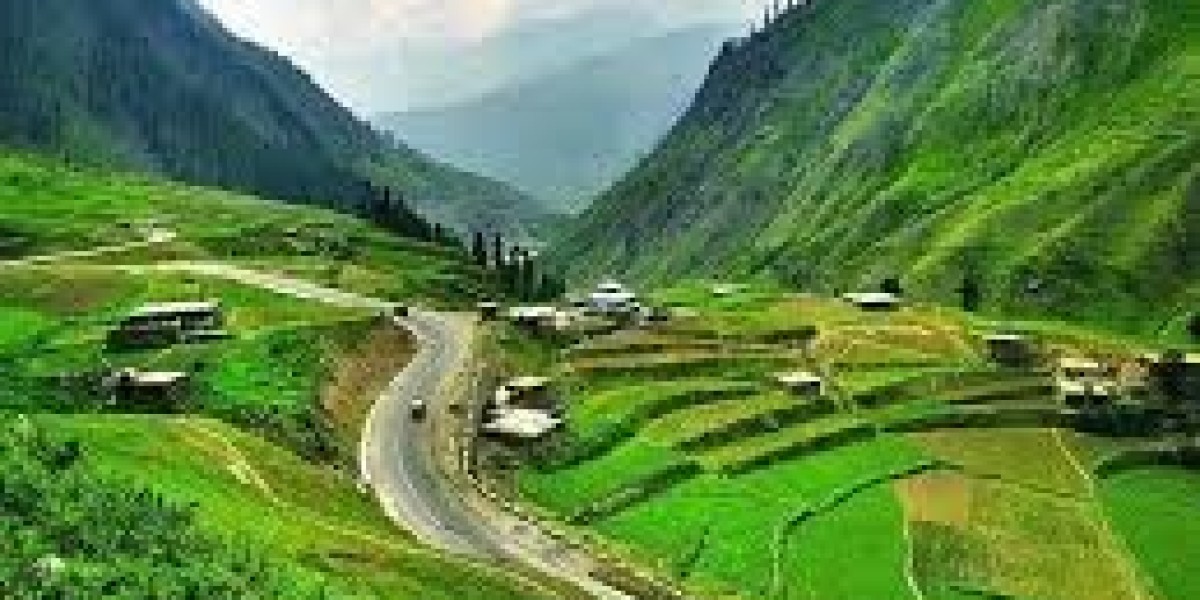
Jahanabad Buddha is one of the most important archaeological and cultural landmarks in Swat Valley, Khyber Pakhtunkhwa. Carved into a massive rock face, this ancient Buddhist sculpture reflects the region’s rich Gandhara civilization and highlights Swat’s historical importance as a center of Buddhism in ancient times. Surrounded by mountains and traditional villages, Jahanabad Buddha offers visitors a unique blend of history, culture, and scenic beauty.
This article explores the history, significance, location, best time to visit, and travel tips for Jahanabad Buddha, helping travelers understand why this site holds such deep cultural value.
Where Is Jahanabad Buddha Located?
Jahanabad Buddha is located near Jahanabad village (also known as Butkara area) in Swat Valley, around 40 kilometers from Mingora. The site lies along the Swat River and is easily accessible by road. A short walk and staircase lead visitors to the rock carving, making it suitable for most travelers.
The surrounding landscape includes green fields, rocky hills, and traditional Pashtun villages, adding to the peaceful and historical atmosphere of the area.
Historical Background of Jahanabad Buddha
The Jahanabad Buddha dates back to around the 7th century CE and is part of the Gandhara Buddhist heritage. Swat Valley was once known as Uddiyana, a major center of Buddhist learning and spirituality. Monks, scholars, and pilgrims traveled from different regions to study and practice Buddhism here.
The Buddha figure is carved directly into a cliff, representing a standing Buddha in a calm and meditative posture. The artwork reflects Gandhara-style sculpture, which blends Greek, Central Asian, and South Asian artistic influences.
Despite centuries of exposure to natural elements and historical challenges, the Jahanabad Buddha remains a powerful symbol of Swat’s ancient past.
Cultural and Religious Significance
Jahanabad Buddha holds great importance for historians, archaeologists, and followers of Buddhism. It represents a time when Swat Valley was a peaceful land of learning, spirituality, and cultural exchange.
The site reminds visitors that Pakistan’s northern regions were once home to diverse civilizations and religions. Today, Jahanabad Buddha stands as a symbol of cultural tolerance, shared heritage, and historical continuity.
Architectural and Artistic Features
The Buddha carving is approximately 7 meters tall, making it one of the most impressive rock sculptures in the region. The detailed facial features, flowing robe, and calm expression show the advanced artistic skills of Gandhara craftsmen.
The sculpture is carved into solid rock, which required immense skill and planning. The natural rock surface adds depth and texture to the artwork, making it feel connected to the surrounding landscape.
Restoration and Preservation
Over time, the Jahanabad Buddha faced damage due to natural erosion and historical events. However, restoration efforts helped preserve and protect the sculpture. These efforts focused on stabilizing the rock surface and restoring damaged features while maintaining historical authenticity.
Today, the site is protected, and visitors are encouraged to respect its cultural importance by avoiding any actions that could harm the monument.
Best Time to Visit Jahanabad Buddha
? Spring (March to May)
Spring is one of the best times to visit Jahanabad Buddha. The weather is pleasant, and the surrounding valley becomes lush and green.
Best for: Sightseeing, photography, comfortable travel
☀️ Summer (June to August)
Summer can be warm during the day, but mornings and evenings remain comfortable. The site is accessible, and roads are generally in good condition.
Best for: Cultural tours, combined Swat sightseeing
? Autumn (September to October)
Autumn offers cool weather and clear skies. The landscape turns golden, creating beautiful scenery around the site.
Best for: Photography, peaceful visits
❄️ Winter (November to February)
Winter can be cold, but the site remains accessible. Snowfall in surrounding areas adds beauty, though travel requires warm clothing.
Best for: Off-season travelers and history enthusiasts
Things to See Near Jahanabad Buddha
1. Swat Museum
Swat Museum displays artifacts from Gandhara civilization, including statues, coins, and reliefs. Visiting the museum helps travelers better understand the historical context of Jahanabad Buddha.
2. Mingora and Saidu Sharif
These nearby towns offer local bazaars, traditional food, and cultural experiences. They also serve as convenient stops during a Swat Valley tour.
3. Butkara Stupa
Another important Buddhist site, Butkara Stupa highlights Swat’s religious history and complements a visit to Jahanabad Buddha.
Travel Tips for Visiting Jahanabad Buddha
Wear comfortable shoes for walking and stairs
Respect the cultural and historical value of the site
Avoid touching or climbing on the sculpture
Visit during daylight hours for better visibility
Carry water, especially in warmer months
Keep the area clean and litter-free
Importance of Responsible Tourism
Jahanabad Buddha is not just a tourist attraction but a heritage site of global importance. Responsible tourism helps protect such landmarks for future generations. Visitors should follow guidelines, respect local customs, and promote awareness about cultural preservation.
Final Thoughts
Jahanabad Buddha is a powerful reminder of Swat Valley’s ancient history and cultural richness. Carved into stone centuries ago, it continues to tell the story of a peaceful era rooted in spirituality and learning. Visiting this site offers more than sightseeing—it provides a deeper understanding of the region’s diverse heritage.
For travelers interested in history, culture, and meaningful exploration, Jahanabad Buddha is a must-visit destination in Swat Valley.