
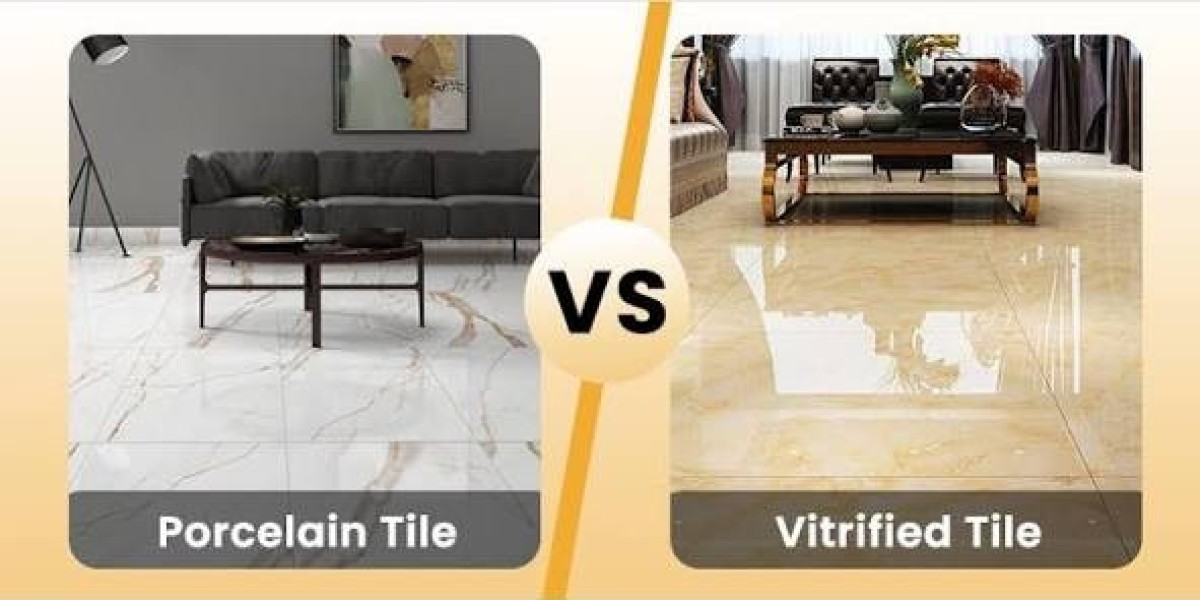
Choosing the right flooring for your home or office can be a daunting task, especially when you’re faced with a variety of options like vitrified tiles and porcelain tiles. Both are popular choices in modern construction and interior design, offering durability, aesthetics, and ease of maintenance. However, subtle differences in their properties can make a significant impact on performance, cost, and overall appeal. In this guide, we will explore everything you need to know about Vitrified Tiles vs Porcelain Tiles so you can make an informed decision.
Understanding Vitrified Tiles
Vitrified tiles are manufactured using a mixture of clay, quartz, silica, and feldspar. These materials are fired at high temperatures, resulting in tiles that are non-porous and highly durable. The vitrification process ensures that the tile surface is glass-like and resistant to water absorption, stains, and scratches.
Key Features of Vitrified Tiles:
Durability: Vitrified tiles are extremely tough and can withstand heavy foot traffic, making them ideal for commercial spaces as well as homes.
Water Resistance: Their low porosity ensures that they do not absorb water, reducing the risk of damage from moisture.
Aesthetic Appeal: These tiles are available in a variety of designs, finishes, and textures, including wood, marble, and stone effects.
Low Maintenance: They are easy to clean and maintain, requiring only regular sweeping and mopping.
Cost-Effective: Vitrified tiles offer a luxurious look at a relatively affordable price compared to natural stones.
Understanding Porcelain Tiles
Porcelain tiles are a type of ceramic tile made from highly refined clay, fired at even higher temperatures than vitrified tiles. They are denser, harder, and less porous, which makes them extremely durable and suitable for both indoor and outdoor applications.
Key Features of Porcelain Tiles:
Strength and Hardness: Porcelain tiles are harder than standard vitrified tiles, making them resistant to wear and tear.
Waterproof: With almost zero water absorption, porcelain tiles are ideal for wet areas like bathrooms and kitchens.
Versatility: They come in various finishes, including glazed, polished, and matte, allowing for versatile design options.
Scratch and Stain Resistant: The surface of porcelain tiles is highly resistant to scratches, stains, and chemical damage.
Long Lifespan: When properly installed and maintained, porcelain tiles can last for decades.
Vitrified Tiles vs Porcelain Tiles: Detailed Comparison
Choosing between vitrified tiles and porcelain tiles often comes down to understanding their differences in terms of composition, design, cost, and usability.
1. Composition and Manufacturing
Vitrified Tiles: Made using a combination of clay, quartz, and silica, with a vitrification process to make them non-porous.
Porcelain Tiles: Made from highly refined clay, fired at higher temperatures for extreme density and hardness.
2. Durability
Vitrified Tiles: Strong and suitable for medium to high traffic areas.
Porcelain Tiles: Harder and more durable, suitable for very high traffic and outdoor spaces.
3. Water Absorption
Vitrified Tiles: Absorb very little water (typically less than 0.5%).
Porcelain Tiles: Nearly zero water absorption, making them ideal for wet areas.
4. Design Options
Vitrified Tiles: Offers a wider variety of surface designs, colors, and textures.
Porcelain Tiles: Slightly limited in design but excels in realistic stone or wood finishes.
5. Cost
Vitrified Tiles: Generally more affordable than porcelain tiles.
Porcelain Tiles: Higher price due to superior density and longevity.
6. Maintenance
Vitrified Tiles: Easy to clean with minimal upkeep.
Porcelain Tiles: Extremely low maintenance and highly resistant to staining.
7. Application Areas
Vitrified Tiles: Ideal for living rooms, kitchens, offices, and moderate outdoor spaces.
Porcelain Tiles: Suitable for bathrooms, patios, and areas exposed to heavy wear and moisture.
Pros and Cons
Vitrified Tiles
Pros:
Affordable and aesthetically versatile
Easy to maintain
Durable for high traffic areas
Cons:
Less dense than porcelain tiles
Slightly prone to chipping under extreme force
Porcelain Tiles
Pros:
Extremely durable and long-lasting
Nearly waterproof
Scratch and stain resistant
Cons:
Higher cost
Limited design options compared to vitrified tiles
Choosing the Right Tile for Your Space
The choice between Vitrified Tiles vs Porcelain Tiles depends on your specific requirements:
Budget-Friendly Option: Vitrified tiles offer great aesthetics at a lower cost.
High Durability: Porcelain tiles are perfect for areas with extreme traffic or outdoor exposure.
Moisture-Prone Areas: Porcelain tiles are ideal for bathrooms and kitchens.
Design Flexibility: Vitrified tiles offer a broader range of designs, colors, and patterns.
For homeowners and designers, a balanced approach often works best. You may choose vitrified tiles for living areas and porcelain tiles for bathrooms and outdoor areas.
Installation and Maintenance Tips
Surface Preparation: Ensure a smooth and level surface before installation to avoid cracks.
Grouting: Use high-quality grout to fill gaps and prevent water seepage.
Cleaning: Use mild detergents for daily cleaning; avoid harsh chemicals.
Sealing: While porcelain tiles often do not require sealing, vitrified tiles may benefit from periodic sealing for added protection.
Final Thoughts
Both vitrified and porcelain tiles have unique advantages, and the right choice depends on factors like durability, design preferences, budget, and intended usage. If you prioritize affordability and a wide range of designs, vitrified tiles are a perfect choice. However, if you need extreme durability, moisture resistance, and long-lasting performance, porcelain tiles are the way to go.
Ultimately, understanding the subtle differences between Vitrified Tiles vs Porcelain Tiles ensures that your flooring investment is both practical and visually appealing. By choosing wisely, you can enjoy beautiful, long-lasting flooring that enhances the elegance and functionality of your space.
Conclusion:
Selecting the right tile for your home or office is crucial. While vitrified tiles provide versatility and affordability, porcelain tiles offer unmatched durability and moisture resistance. By understanding the differences between Vitrified Tiles vs Porcelain Tiles, you can make a well-informed decision that combines aesthetics, performance, and longevity.