Pigmented epoxy floors have become one of the most popular flooring solutions for commercial, industrial, and residential spaces—and for good reason. Combining exceptional durability with customizable aesthetics, pigmented epoxy flooring offers a seamless, long-lasting surface that performs as well as it looks.
This article explores what pigmented epoxy floors are, how they work, their benefits, applications, installation process, and maintenance requirements.
What Are Pigmented Epoxy Floors?
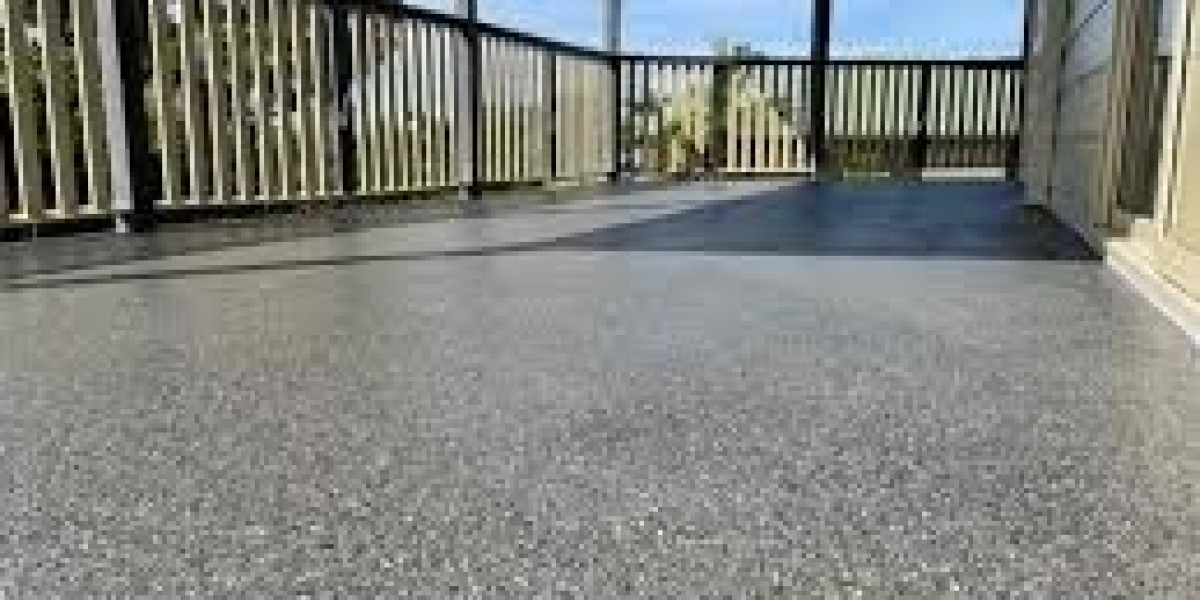
Pigmented epoxy floors are created by mixing color pigments directly into epoxy resin before application. The result is a solid, uniform color throughout the coating, rather than a painted surface layer. Once cured, the epoxy forms a hard, seamless finish that bonds tightly to concrete and other substrates.
Unlike traditional floor paints, pigmented epoxy coatings are chemically bonded, making them significantly more durable, stain-resistant, and long-lasting.
Key Benefits of Pigmented Epoxy Flooring
1. Exceptional Durability
Epoxy floors are engineered to withstand heavy foot traffic, machinery, impacts, and abrasion. Pigmented epoxy is commonly used in environments where floors face constant stress, such as warehouses, factories, and garages.
2. Seamless and Hygienic Surface
Because epoxy floors are seamless and non-porous, they do not harbor dust, bacteria, or moisture. This makes them ideal for hospitals, laboratories, food processing facilities, and clean rooms.
3. Customizable Aesthetics
Pigmented epoxy floors are available in a wide range of colors, from neutral grays to bold industrial tones. They can also be enhanced with:
Satin, gloss, or matte finishes
Safety striping or zoning colors
Decorative flakes or quartz systems
This versatility allows designers and facility managers to match branding, improve visibility, or define work zones.
4. Chemical and Stain Resistance
Pigmented epoxy coatings resist oils, fuels, solvents, acids, and many harsh chemicals. Spills remain on the surface and can be easily cleaned without staining.
5. Improved Safety
Anti-slip additives can be incorporated into the epoxy system to reduce slip hazards. Bright pigments can also improve visibility in industrial settings, enhancing overall workplace safety.
6. Cost-Effective Longevity
While the initial installation cost may be higher than basic floor coatings, pigmented epoxy floors require minimal maintenance and have a long service life—making them a cost-effective investment over time.
Common Applications of Pigmented Epoxy Floors
Pigmented epoxy flooring is used across a wide range of environments, including:
Industrial facilities – factories, warehouses, production plants
Commercial spaces – retail stores, showrooms, offices
Healthcare – hospitals, clinics, laboratories
Food and beverage – kitchens, breweries, processing plants
Residential – garages, basements, workshops
Educational institutions – schools, universities, laboratories
The Installation Process
Proper installation is critical to the performance and longevity of pigmented epoxy floors.
1. Surface Preparation
The concrete surface must be thoroughly cleaned, repaired, and mechanically ground or shot-blasted to ensure proper adhesion.
2. Priming
A primer coat is applied to seal the substrate and improve bonding between the concrete and the epoxy layer.
3. Pigmented Epoxy Application
The pigmented epoxy is mixed and applied evenly using rollers or squeegees. Depending on the system, multiple coats may be applied to achieve the desired thickness and color depth.
4. Topcoat (Optional)
A clear or pigmented topcoat may be added for enhanced UV resistance, gloss control, or chemical protection.
5. Curing
Curing times vary, but most epoxy floors are ready for light foot traffic within 24 hours and full use within several days.
Maintenance and Care
Pigmented epoxy floors are low-maintenance and easy to clean:
Sweep or dust mop regularly
Clean with mild detergents and water
Avoid harsh abrasives unless designed for industrial use
Address spills promptly to maintain surface appearance
With proper care, pigmented epoxy floors can last 10–20 years or more, depending on traffic and environment.
Pigmented Epoxy vs. Other Flooring Options
| Feature | Pigmented Epoxy | Concrete Paint | Tile |
|---|---|---|---|
| Durability | Very High | Low | Moderate |
| Seamless | Yes | Yes | No |
| Chemical Resistance | Excellent | Poor | Moderate |
| Maintenance | Low | High | Moderate |
| Custom Colors | Extensive | Limited | Limited |
Conclusion
Pigmented epoxy floors offer a powerful combination of strength, style, and functionality. Whether you need a high-performance industrial surface or a sleek, modern finish for a commercial or residential space, pigmented epoxy provides a versatile solution that stands the test of time.
With proper installation and minimal maintenance, pigmented epoxy flooring delivers long-term value, safety, and visual appeal—making it one of the smartest flooring investments available today.