Window awnings for houses are a practical and stylish exterior addition that can dramatically improve comfort, curb appeal, and energy efficiency. Designed to shade windows from direct sunlight, window awnings help regulate indoor temperatures, protect furnishings, and enhance the overall appearance of a home. Whether you live in a hot climate or simply want to reduce glare and UV exposure, installing window awnings is a smart long-term investment.
In this guide, we’ll explore what window awnings are, their benefits, types, materials, and how to choose the best option for your house.
What Are Window Awnings?
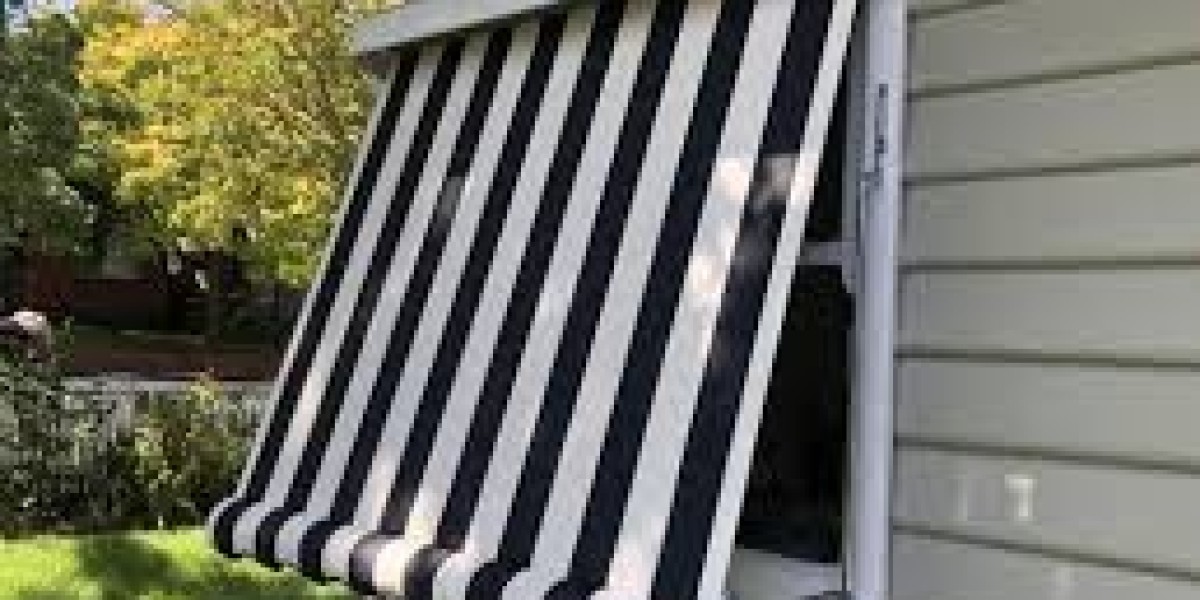
Window awnings are secondary coverings installed above or over windows on the exterior of a house. They extend outward to block direct sunlight, rain, and heat while still allowing natural light to enter. Window awnings come in various designs, materials, and colors, making them suitable for both traditional and modern homes.
These awnings can be fixed or retractable and are commonly used on residential properties to improve indoor comfort and reduce cooling costs.
Benefits of Window Awnings for Houses
1. Energy Efficiency
One of the biggest advantages of window awnings is energy savings. By blocking solar heat before it enters your home, awnings can reduce indoor temperatures by up to 15 degrees. This lowers the workload on air conditioning systems, resulting in reduced energy bills during warmer months.
2. UV Protection
Prolonged exposure to sunlight can fade furniture, flooring, curtains, and artwork. Window awnings protect your interiors by filtering harmful UV rays, helping preserve the quality and lifespan of your home furnishings.
3. Improved Comfort
Awnings minimize glare and heat buildup near windows, creating a more comfortable living environment. Rooms stay cooler and brighter without the discomfort of harsh sunlight.
4. Enhanced Curb Appeal
Window awnings add architectural interest and charm to your home’s exterior. With a wide range of styles and colors available, they can complement your home’s design and increase its visual appeal.
5. Weather Protection
In addition to sun protection, window awnings provide shade from rain and light wind. This is especially useful for windows that are frequently opened for ventilation.
Types of Window Awnings for Houses
Fixed Window Awnings
Fixed awnings are permanently installed and provide constant shade and protection. They are durable, cost-effective, and ideal for windows that receive intense sunlight throughout the day.
Retractable Window Awnings
Retractable awnings can be extended or retracted manually or with motorized systems. These offer flexibility, allowing homeowners to enjoy sunlight when desired and shade when needed.
Dome Awnings
Dome awnings have a rounded shape and are commonly used on smaller windows. They add a decorative touch and work well on traditional or classic home designs.
Traditional Sloped Awnings
These awnings feature a straight, slanted design and are one of the most popular choices for residential use. They provide excellent sun and rain protection while maintaining a clean, timeless look.
Metal Window Awnings
Metal awnings are strong, long-lasting, and low-maintenance. They are ideal for modern or industrial-style homes and perform well in extreme weather conditions.
Common Materials Used in Window Awnings
Fabric Awnings
Fabric window awnings are lightweight and available in countless colors and patterns. Modern fabrics are treated to resist fading, mold, and water damage, making them suitable for long-term outdoor use.
Aluminum Awnings
Aluminum awnings are highly durable, rust-resistant, and require minimal maintenance. They reflect heat effectively and are ideal for homes in hot climates.
Steel Awnings
Steel awnings offer superior strength and durability. While heavier than aluminum, they provide excellent protection against harsh weather and last for decades when properly maintained.
Polycarbonate Awnings
Polycarbonate awnings are transparent or tinted, allowing natural light while blocking UV rays. They are lightweight, impact-resistant, and perfect for homeowners who want brightness without excessive heat.
How to Choose the Right Window Awnings for Your House
Consider Sun Exposure
Identify which windows receive the most sunlight. South- and west-facing windows typically benefit the most from awnings.
Match Your Home’s Architecture
Choose a style and color that complements your home’s exterior. Traditional homes often pair well with fabric or dome awnings, while modern houses look great with metal or polycarbonate designs.
Decide Between Fixed and Retractable
If you want year-round shade, fixed awnings are ideal. If flexibility is important, retractable awnings offer greater control.
Measure Accurately
Proper sizing ensures optimal performance and appearance. Awnings should extend far enough to block direct sunlight without obstructing windows or walkways.
Set a Budget
Window awnings vary widely in price depending on materials, size, and features. While fabric awnings are usually more affordable, metal and motorized options offer longer lifespans and added convenience.
Installation and Maintenance
Professional installation is recommended for best results, especially for larger or motorized awnings. Proper mounting ensures safety, durability, and maximum effectiveness.
Maintenance depends on the material:
Fabric awnings should be cleaned regularly to prevent dirt and mildew.
Metal awnings require occasional washing and inspection for rust or damage.
Retractable systems should be checked periodically to ensure smooth operation.
Are Window Awnings Worth It?
Absolutely. Window awnings for houses provide long-term benefits that go beyond aesthetics. They help reduce energy costs, protect interiors, improve comfort, and enhance your home’s exterior design. With proper selection and installation, window awnings can last for many years while delivering consistent value.
Final Thoughts
Window awnings for houses are a simple yet powerful upgrade that combines functionality with style. Whether you want to reduce heat, save on energy bills, or add character to your home, the right window awnings can make a noticeable difference. By choosing the right type, material, and design, homeowners can enjoy a cooler, more comfortable, and visually appealing living space all year round.