A sewer backup is one of the worst plumbing problems a homeowner can face. It causes water damage, foul odors, and major stress. But most sewer backups don’t appear out of nowhere. They can be prevented with the right maintenance and early action. When you understand the Signs of Sewer Backup, it becomes easier to fix small issues before they turn into emergencies.
Searching for pipe repair near me helps you connect with experts who can identify problems early. And if the sewer line is cracked or failing, modern solutions like trenchless pipe lining can restore your system without digging up your property.
Here’s a complete guide on how to prevent sewer backups and keep your drainage system healthy.
1. Avoid Flushing Anything Other Than Toilet Paper
One of the easiest ways to prevent sewer backups is proper flushing habits. Many products that say “flushable” actually clog pipes.
Never flush:
Wipes
Paper towels
Cotton pads
Diapers
Hair
Sanitary products
These items do not break down like toilet paper. They build up in the sewer line and block water flow.
If your toilet clogs frequently, it may be an early sign of a deeper problem. Watch for other Signs of Sewer Backup to know when professional help is needed.
2. Keep Grease and Oil Out of Drains
Grease is one of the main reasons homeowners deal with sewer blockages. When grease cools, it hardens. This sticky layer traps food particles and debris.
Never pour these into the sink:
Cooking oil
Butter
Meat fat
Creamy sauces
Instead, collect grease in a container and throw it in the trash.
This simple habit can prevent major sewer issues.
3. Install a Backwater Valve
A backwater valve stops sewage from flowing backward into your home. It is a powerful tool for preventing sewer backups, especially during heavy rain.
A plumber can install this in the main sewer line. It works automatically and protects your basement and lower drains from sudden flooding.
If you live in an older home, this device is extremely helpful.
4. Trim Tree Roots Regularly
Tree roots are the most common cause of sewer line damage. Roots grow toward moisture and can enter tiny cracks in the pipe. Once inside, they expand and block the sewer line.
Signs that roots may be entering your pipes include:
Slow drains
Gurgling noises
Sewage smells
Backups in multiple drains
If you notice these Signs of Sewer Backup, search for pipe repair near me to schedule an inspection. Many plumbers offer root-cutting services.
But cutting roots is only temporary. If the pipe is cracked, trenchless pipe lining may be needed to seal the pipe and stop roots from returning.
5. Schedule Yearly Sewer Line Inspections
Prevention starts with awareness. Most sewer problems develop slowly. A camera inspection once a year helps detect:
Small cracks
Root intrusion
Grease buildup
Collapsed pipe sections
A camera inspection is quick, affordable, and extremely valuable.
It helps you prevent sewer backups before they begin.
6. Clean Drains With Enzyme Treatments
Enzyme-based cleaners break down organic buildup inside your pipes. They are safe for plumbing and environmentally friendly.
Use enzyme drain cleaners once a month to keep pipes flowing smoothly.
Avoid harsh chemical drain cleaners — they damage pipes and accelerate corrosion.
7. Replace Old Sewer Lines With Trenchless Pipe Lining
If your home is older, your sewer line may be made of:
Clay
Cast iron
Orangeburg
Concrete
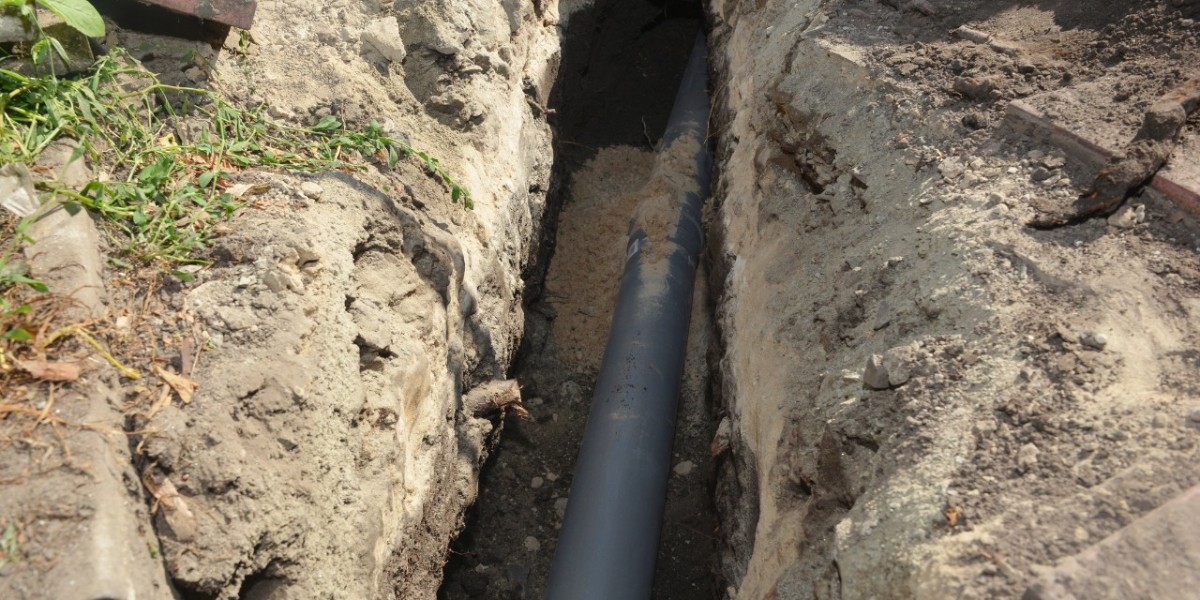
These materials weaken over time. Cracks allow roots to enter. Corrosion narrows the pipe. Joint separation leads to leaks.
Trenchless pipe lining is the best modern solution because it:
Repairs pipes internally
Requires no digging
Stops future root intrusion
Strengthens the entire sewer line
Lasts 50+ years
If your sewer line is failing repeatedly, this repair method provides long-term peace of mind.
8. Know the Early Warning Signs of Sewer Backup
Prevention is easier when you understand the warning signs.
Here are the most important Signs of Sewer Backup you should never ignore:
Multiple slow drains
If sinks, tubs, and showers drain slowly at the same time, the main line is blocked.
Gurgling noises
Bubbling or gurgling drains mean air is trapped in the sewer line.
Bad smells
Sewage odors inside the home signal a clogged or damaged pipe.
Water coming up from drains
Any water backing up into showers or basements is a serious problem.
Frequent toilet clogs
If plunging does not help, your sewer line may be failing.
These signs indicate that wastewater cannot move freely. If you see any of them, contact pipe repair near me for an inspection.
9. Protect Your Yard From Sewer Damage
If your sewer line runs under your yard, be careful with landscaping.
Avoid planting trees with aggressive roots near the sewer line. These trees often cause pipe intrusion:
Maple
Oak
Poplar
Willow
Elm
Instead, choose plants with small root systems.
Also avoid driving heavy vehicles over the sewer line area. Excess weight can crack buried pipes.
10. Act Quickly When Problems Start
The faster you respond to sewer symptoms, the less damage you face.
Delaying sewer repairs can lead to:
Basement flooding
Mold growth
Structural damage
Health hazards
Expensive cleanup
Calling pipe repair near me at the first warning sign can prevent thousands of dollars in repairs.
Final Thoughts
Preventing sewer backups is simple when you follow good habits and understand the early signs.
Avoid flushing harmful items. Keep grease out of drains. Trim tree roots. Schedule inspections.
Most importantly, pay attention to the Signs of Sewer Backup such as slow drains, gurgling noises, sewage smells, and water backing up into the home.
If your sewer line is damaged or old, trenchless pipe lining provides a fast, clean, and durable solution.
And whenever you notice symptoms, contacting pipe repair near me ensures you get expert help before the problem grows.